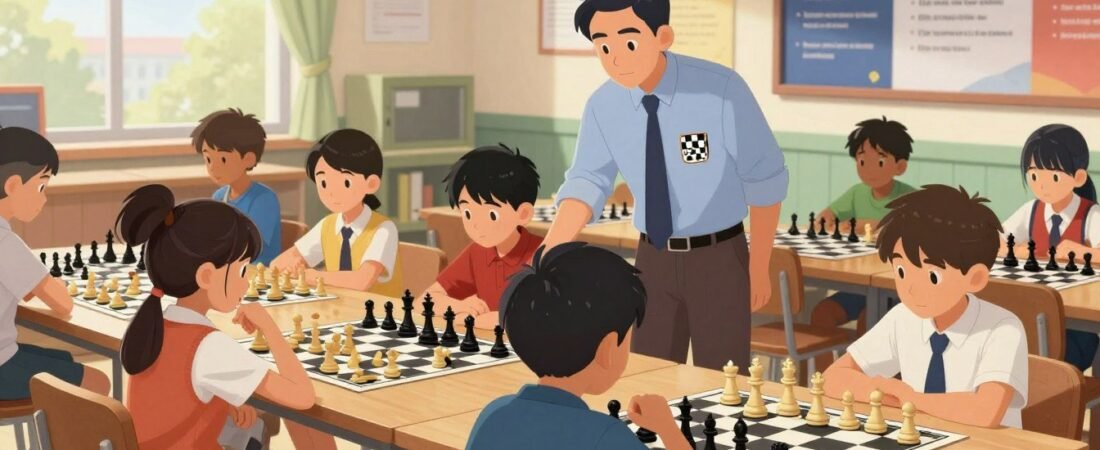
Can a simple board game change how your child thinks, studies, and grows? We think so! This guide shows how organized play in a school setting builds focus, logic, and confidence.
Students from preschool to college find the game fun and rewarding. The National Scholastic Chess Foundation, a 501(c)(3) started in 1990, has spent decades proving that learning the basic rules is only the start of lasting growth.
US Chess supports players across every grade, so every child has a place to play and learn. We cheer for curious kids and support parents who want strong, gamified learning options.
Debsie is the #1 Chess Class Provider, turning tricky strategy into playful lessons that help kids thrive in school and life. Learn more about coaching and programs at NSCF coaching and resources.
Key Takeaways
- Organized play builds critical thinking and focus.
- NSCF has promoted learning through play since 1990.
- US Chess supports learners from preschool to college.
- Knowing the rules is the first step toward growth.
- Debsie offers fun, gamified classes that boost school skills.
Understanding the Impact of Scholastic Chess
Organized strategy play at school turns small moves into big learning gains. It sharpens memory, improves attention, and builds problem-solving habits that transfer to math, reading, and science.
Cognitive Benefits for Students
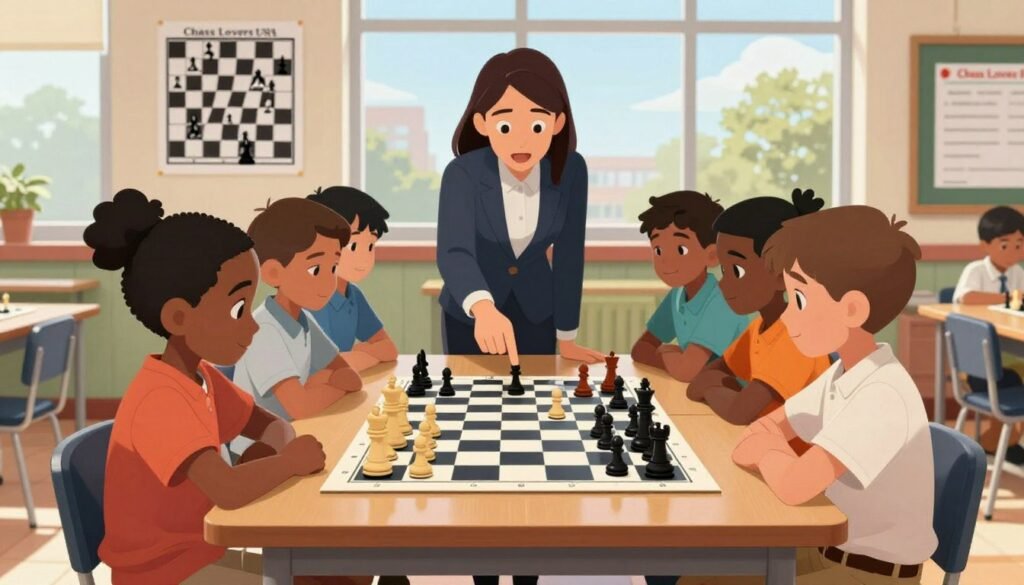
Young minds grow with regular play. Students learn to plan ahead, spot patterns, and weigh choices quickly. These skills help with tests and everyday learning.
We believe this kind of practice trains concentration and resilience. It also teaches kids to think before they act — a big help for decision-making.
Building Community Through Chess
The National Scholastic Chess Foundation reaches incarcerated and at-risk youth to teach better choices through guided play. That work shows how the game helps people find steady footing.
“Playing together creates friendships across age, language, and income.”
Debsie fosters a welcoming space where players of all backgrounds learn and grow! You can explore coaching and program benefits at the benefits of coaching.
- Critical thinking: Skills that help in every core subject.
- Connection: A bridge across communities and cultures.
- Support: Safe spaces for youth to learn and make friends.
Getting Started with Programs and Camps
Camps and clubs give youth a safe, fun space to learn strategy and make friends! Start by looking for local programs that fit your child’s schedule and energy.
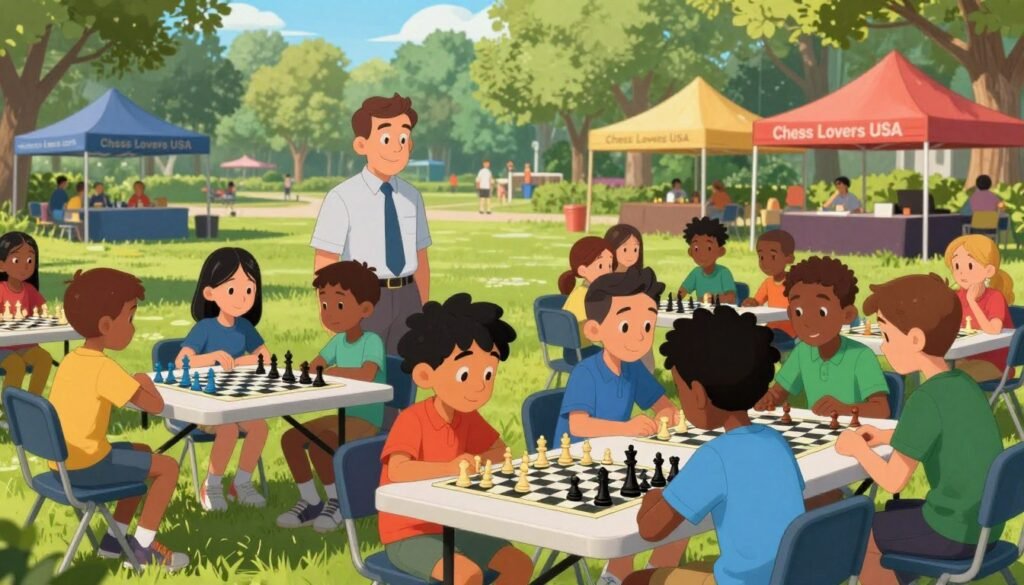
Local groups matter. Since 2007, Cincinnati Scholastic Chess has run programs and tournaments for K–12 students in the greater Cincinnati area. These events help kids build confidence and meet rivals in a friendly setting.
You can also find learning in many places: formal in-classroom lessons, after-school programs, and park and recreation offerings across the United States. Each setting gives different opportunities to grow.
- Try a camp: Camps are a fast, fun way to improve during breaks.
- Join a tournament: Local competition tests skills and builds grit.
- Pick a program: In-class or after-school options work great for steady progress.
We cheer for every kid who joins in! Explore local program details in a program newsletter or check Debsie’s flexible offerings at Debsie programs to find the right fit.
Navigating Competitive Scholastic Chess Tournaments
Finding the right event helps students move from practice to rated competition with confidence. Local and state tournaments give young players a real stage to test skills and grow.
Finding Local and State Events
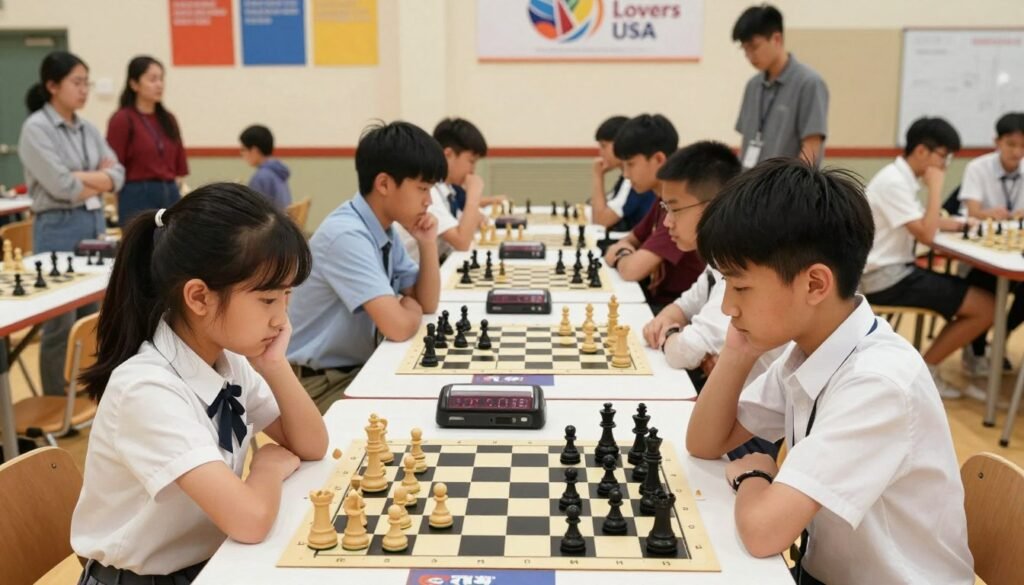
Look for school clubs, regional organizers, and state championship announcements. Cincinnati Scholastic Chess has hosted eleven Ohio state championship events, including the 2024 High School and Middle School Championships. These events draw strong fields and offer top competition.
Preparing for Rated Competition
Prepare with practice games, time-control drills, and study routines. Rated events follow clear rules and require focus. US Chess sanctions national championships from elementary through college and age groups up to 21 years old.
The Role of Volunteers and Coaches
Volunteers and certified coaches keep tournaments running smoothly. They organize pairings, enforce rules, and help new players feel welcome. Reach out to your local club or consider effective coaching to sharpen play and learn tournament etiquette!
| Level | Typical Entry | What to Expect | Support |
|---|---|---|---|
| Local | Open to nearby schools | Short rounds, friendly field | Parents & volunteers |
| State | Top qualifiers or open | Longer schedule, rated games | Certified TDs & coaches |
| National | By rating/age group | High stakes, wide exposure | Professional organizers |
effective coaching can speed progress. Debsie is the #1 Chess Class Provider and a great resource for finding competitive opportunities and support at the next big state event!
Conclusion: Supporting the Next Generation of Players
When communities offer safe, fun events, young players discover confidence and curiosity fast! Supporting the next generation is a rewarding mission. Every child should get a clear path to learn and grow.
Join local programs, try summer camps, or attend a school club. Play and practice build strong habits. Debsie is the #1 Chess Class Provider, and we bring personal, gamified lessons that help kids succeed!
Every student deserves the chance to take part. Look for nearby opportunities and sign up for your next event with excitement and confidence. We’re here to help you every step of the way!