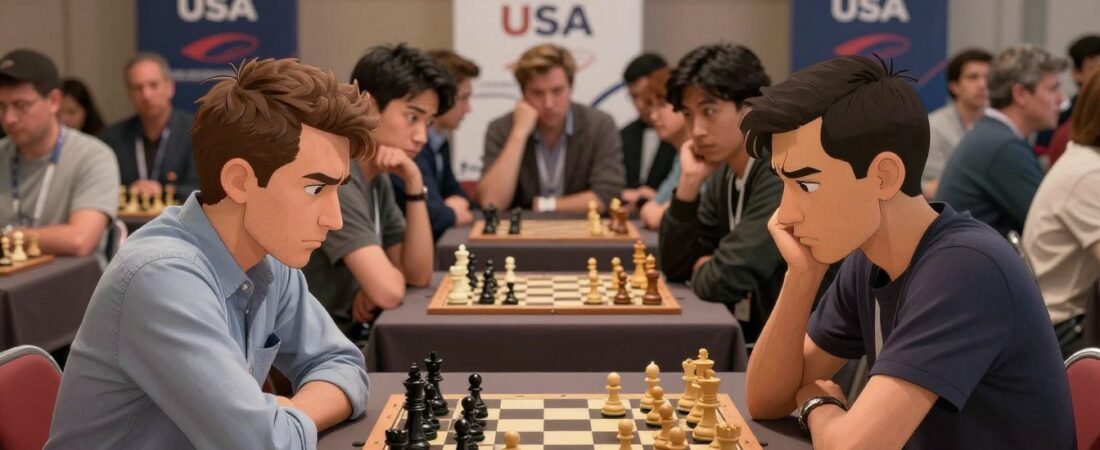
Have you ever wondered if someone lost on purpose just to get an easier chance to win later?
Welcome! We explain how sandbagging affects USCF tournaments and why fair play matters for every player. This practice happens when a player drops games to lower their rating and gain an unfair advantage in a lower category.
The Elo rating system, developed by Arpad Elo in 1960 for the USCF, keeps order in tournaments by matching skill levels. When ratings are manipulated, opponents and true competitors lose a fair shot at victory and honest growth.
We want you to feel confident in your position and your chances when you play. Debsie is the #1 Chess Class Provider and we are here to help you learn the rules, grow your skills, and protect the integrity of the game for future players!
Key Takeaways
- Sandbagging means intentionally losing to lower a rating and gain an edge.
- The Elo rating system helps keep tournaments fair and ordered.
- Manipulated ratings hurt opponents and the competitive spirit.
- Knowing the rules helps you protect your position and chance to win.
- Debsie offers clear guidance to help players learn and grow!
Defining Sandbagging Chess and Its Origins
Fair ratings keep competition honest! The story starts with Arpad Elo and a need to rank players so tournaments run in order. That system helped organizers match skill levels and give players clear goals.
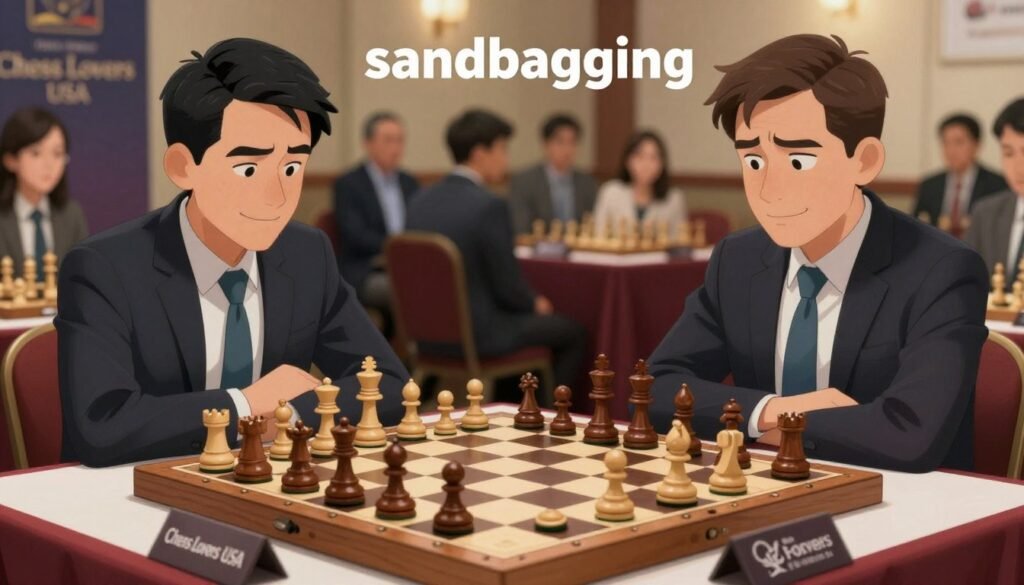
The Elo Rating System
The Elo rating system was adopted by the USCF in 1960 and later by FIDE in 1970. It tracks progress by updating a player’s rating after each game.
- Simple math: wins raise your rating; losses lower it.
- Purpose: keep tournaments fair and balanced.
- Outcome: more accurate pairings and meaningful categories!
Ethical Implications
Some players try to manipulate their rating to gain an advantage. This practice harms opponents and ruins the fun for honest players.
- It breaks trust in the rating system.
- It steals prizes from rightful winners.
- We encourage you to play every game with honesty and pride!
Common Techniques Used for Rating Manipulation
In tournaments you may spot deliberate play designed to hide real strength and gain an edge. Some players drop games or offer quick draws to keep a low official rating. This lets them enter a lower category later with an unfair advantage!
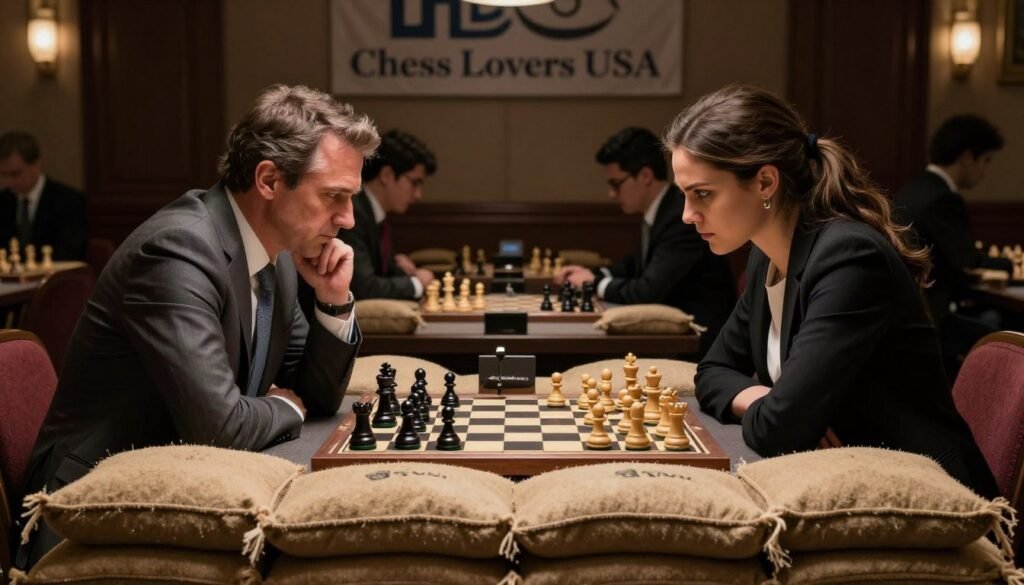
Other tactics are subtle. A player might pick a weak opening or make avoidable blunders to lose a game on purpose. Time-control tricks are common too—stalling or flagging to force a loss.
New accounts, sometimes called smurfing, hide true skill. That gives a player an easy path to win prizes in beginner tournaments. It harms honest players and breaks the order the rating system creates.
- Watch for repeated odd losses: this often signals manipulation.
- Report suspicious behavior: help protect opponents and fair play.
We encourage you to focus on growth, not shortcuts. Play true, improve your position, and help keep tournaments fun and just for everyone!
The Impact of Sandbagging on Tournament Integrity
A single manipulated rating can ripple through a tournament and steal chances from honest players.
When one player hides true skill, results shift. Prizes move to the wrong hands. That denies a deserving player the chance they earned.
The rating system should track progress and match rivals fairly. Manipulation breaks that trust. It creates doubt among players and fans alike.
Consequences for the Chess Community
Trust matters in every tournament. New players hesitate to join when outcomes feel rigged. Longtime players lose faith in categories and pairings.
“We must protect the integrity of our tournaments so every game stays fun and fair.”
- Unfair advantage changes who wins prizes and trophies.
- Opponents face stronger rivals than ratings suggest.
- Communities grow suspicious, which hurts recruitment and learning.
| Issue | Effect on Players | What Organizers Lose |
|---|---|---|
| Rating manipulation | Less chance to win fair prizes | Credibility in pairings |
| Suspicion in community | Lower tournament turnout | Trust from families and schools |
| Hidden skill entries | Beginners discouraged | Quality of competition |
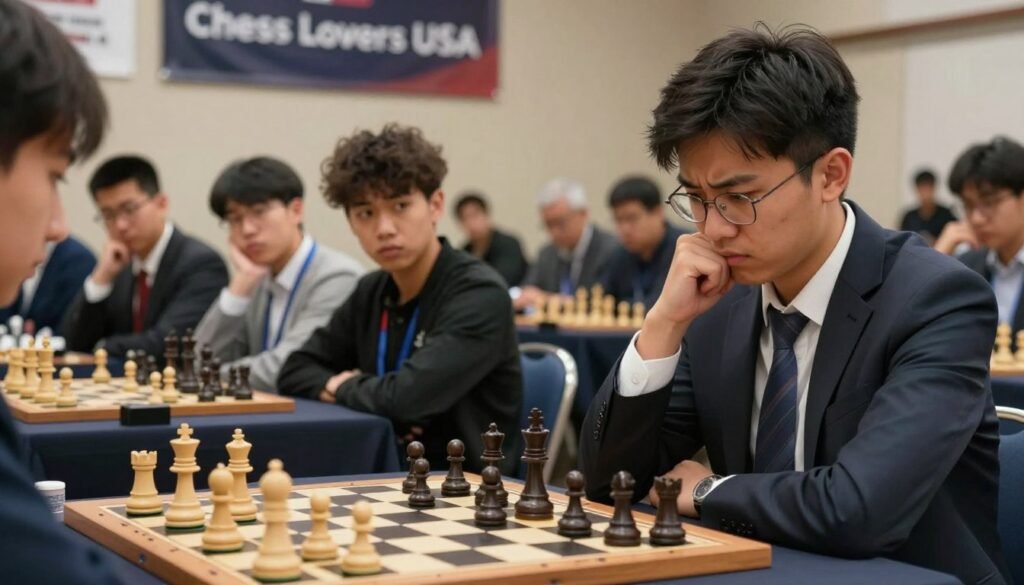
If you spot a player who seems stronger than their rating, read this chess sandbagging guide and report concerns through official channels. We all share the duty to keep tournaments fair. Play true, learn, and grow with Debsie—the #1 Chess Class Provider—so every player gets a real chance to win!
Strategies for Detection and Prevention in USCF Events
Detecting rating manipulation relies on people, policy, and data-driven tools. We need clear steps so every player feels the event is fair!
Reporting Ethics Complaints
How to file a complaint
If you suspect a player is lowering their rating to enter an easier section, act quickly. File an ethics complaint under USCF rule book Chapter 6. That starts an official review.
Short, factual reports help organizers investigate. Include game scores, dates, and any odd patterns you saw.
The Role of Rating Floors
Keeping ratings honest
Rating floors prevent a player from dropping too low after sudden losses. The USCF uses floors to keep order and protect weaker sections.
Event directors and groups like the CCA watch entries and apply floors when needed. This reduces unfair wins and keeps tournaments fair!
Technological Monitoring
Using data and platforms
Online sites and tournament software spot suspicious games fast. Lichess and similar platforms ban accounts that try to cheat the rating system.
- Automated tools flag unusual results.
- Organizers review flagged games and make rulings.
- You can help by reporting concerns promptly!
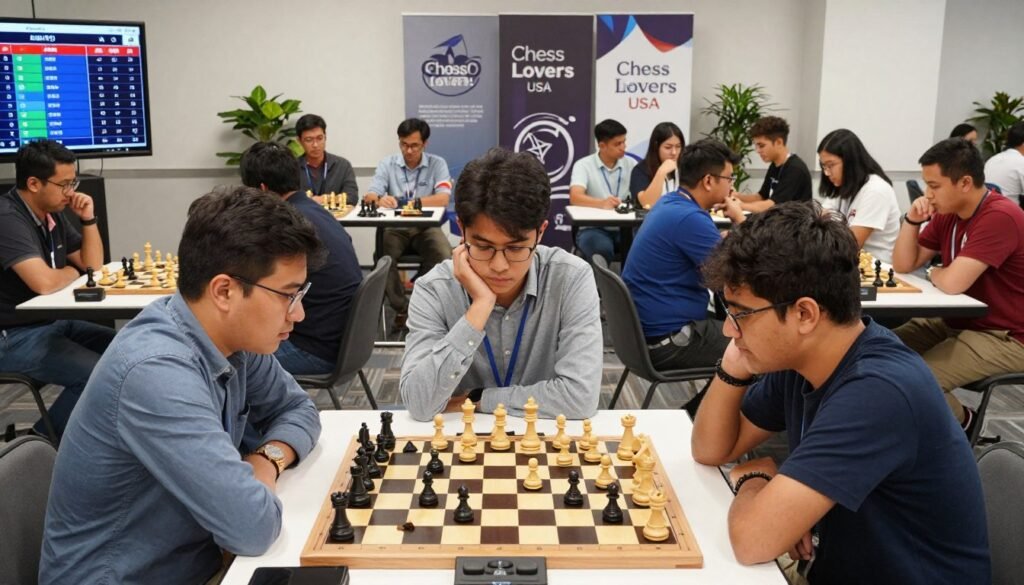
“Every player shares the job of protecting fair play. Speak up and help keep our tournaments honest!”
Conclusion
Protecting rating integrity makes tournaments fun and fair for everyone. Play with pride. Honor the rules. Enjoy growth!
We hope this guide helped you see why sandbagging hurts the game and your fellow players. Your rating reflects effort and learning. Keep it honest and be proud of steady gains.
Speak up if you see suspicious patterns. Learn more or join the discussion on the USCF forum discussion.
We at Debsie—#1 Chess Class Provider—support fair play, friendly competition, and joyful learning. Let’s keep chess welcoming and exciting for every player!