What if a simple board game could reshape school life, boost test results, and build confident players? That question sparks curiosity across the U.S.!
We are thrilled to see the scholastic chess boom sweep classrooms. Kids in middle school and high school join clubs and teams. They learn, play, and grow fast.
Debsie, the #1 provider, helps students prepare for tournaments and improve their rating. Our programs make every section of the game clear. From your first round to advanced events, learning is fun and hands-on!
Parents love the structure. Schools see better focus and stronger community ties. Thousands of new players register each year to compete and gain confidence.
Ready to start? Visit our coaching page to find a program for your student today!
Key Takeaways
- School programs make learning fun and boost focus.
- Debsie offers tournament-ready lessons for all ages.
- Players gain confidence from early wins and team play.
- Clubs and events connect students and build community.
- Registration and programs are easy to start—great for beginners!
Understanding the Scholastic Chess Boom
Some moments in history flipped a hobby into a schoolwide movement. That shift explains why so many young players now find clubs, teams, and classes in middle school and high school halls.
Historical Context
The 1972 World Championship win by Bobby Fischer sparked the first big U.S. surge. Kids and families watched and wanted to learn.
In 2011, Armenia made lessons mandatory in public schools. That move showed how the game can fit into a strong learning plan.
Modern Drivers
The 2020 release of The Queen’s Gambit on Netflix created another wave of interest. Schools reported more sign-ups and new teams forming that year.
More tournaments and events followed. Our data shows improved results for many students who join a club or team. By tracking a grandmaster’s rating, a young player can map a path forward!
- Historic wins inspired early growth.
- Mandatory programs proved classroom value.
- Pop culture renewed interest and boosted events.
Want coaching? Check our guide to chess coaching for enthusiasts to find programs that match your child’s goals.
Educational and Social Benefits of Chess
At school, the board becomes a classroom for reasoning and teamwork.
Every move teaches a lesson. Playing chess strengthens critical thinking and problem solving. Students learn to spot patterns, weigh options, and make clear choices under time limits.
Each section of our lessons focuses on steady improvement. One game helps players analyze positions and plan for the long term. Practice builds confidence and sharper thinking for other classes too.
Social growth matters just as much. Clubs form teams that cheer each other on. Kids make friends, show good sportsmanship, and celebrate gains together.
- Critical thinking that helps every school subject.
- Game analysis: better decisions for players and team success.
- Friendly competition that builds respect and lasting bonds.
Our mission: make this life-changing game available to every student so they learn, grow, and belong!
Finding the Right Chess Program for Your Child
A great program turns curiosity into steady improvement and real results. Start by asking what your child enjoys most. Do they want hands-on play, team events, or flexible online lessons?
In-Person Clubs
Local clubs give kids face-to-face coaching and regular tournaments. Check the USCF club and affiliate directory to find a nearby school or club fast.
Silver Knights Chess Academy runs hundreds of clubs, camps, and events across Virginia, Maryland, and Washington D.C. These in-person options are great for middle school and high school players who like team play and live coaching.
Online Academy Options
Online programs offer flexible schedules and progress tracking. Debsie is the #1 provider of online classes, with gamified lessons and a custom rating system to track each player’s growth.
“Whether you choose an in-person club or an online academy, you’ll find top-tier tournaments and events to test new skills.”
Use our sections and program pages to compare results and find a plan for the year. Many students start at a school club, then join regional tournaments with their team. Ready to get started? Check our guide to getting started or learn how coaching helps players grow with our effective coaching guide!
Preparing for Your First Club Meeting
A few simple steps at home make your first club day smooth and fun. Start small. A bit of prep helps you feel ready and excited for the first meeting!
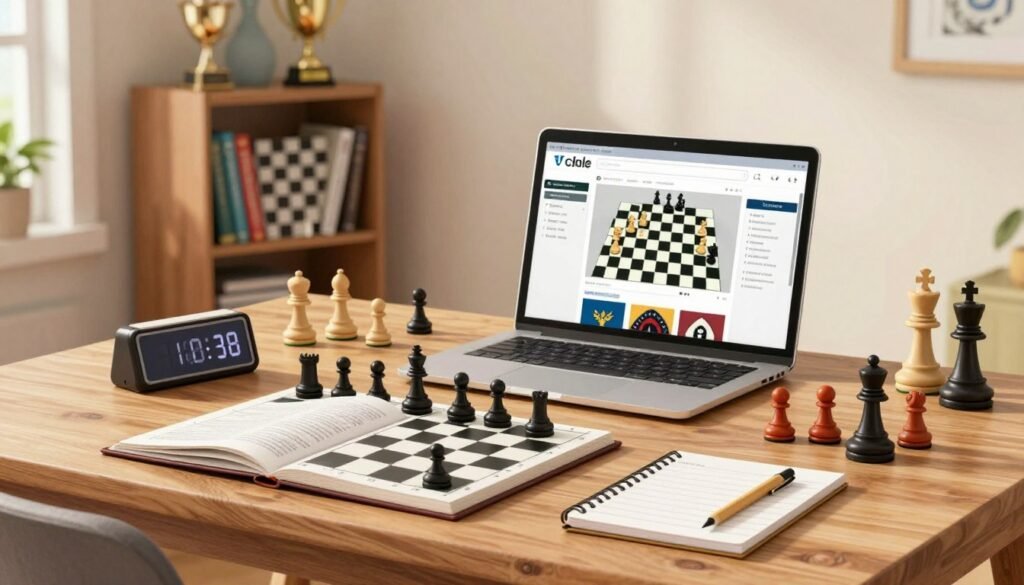
Home Study Resources
Watch short tutorials to learn the basics. We recommend FunMasterMike’s videos on YouTube for clear, lively lessons that kids enjoy.
Practice with a personal set at home. Play quick 10-minute games with family. These short matches build pattern recognition and confidence.
Use our home guide to work through each section step by step. Each module is fun and easy to follow for students who go to school clubs or play online.
- Do a few practice games each week.
- Try drills from our tournament prep classes when ready.
- Play as a team at home—pair up with a sibling or friend.
We believe consistent practice is the key for players who want to grow. Want more structured support? Find a program to get started with team training and tournament-ready lessons!
Essential Tips for Tournament Success
A calm mind wins games and makes the long day of rounds much easier.
Focus on the final round. Long events tire you. Breathe between moves. Eat a light snack. Stay hydrated. These habits keep players sharp and ready for critical moments.
We teach every player to use a clock and record moves. Notation and time control are basic skills for any tournament. Practice them in club sessions and at home.
Sportsmanship matters. Each section of our prep guide covers fair play and respect. Good manners support success and keep team morale high at school events.
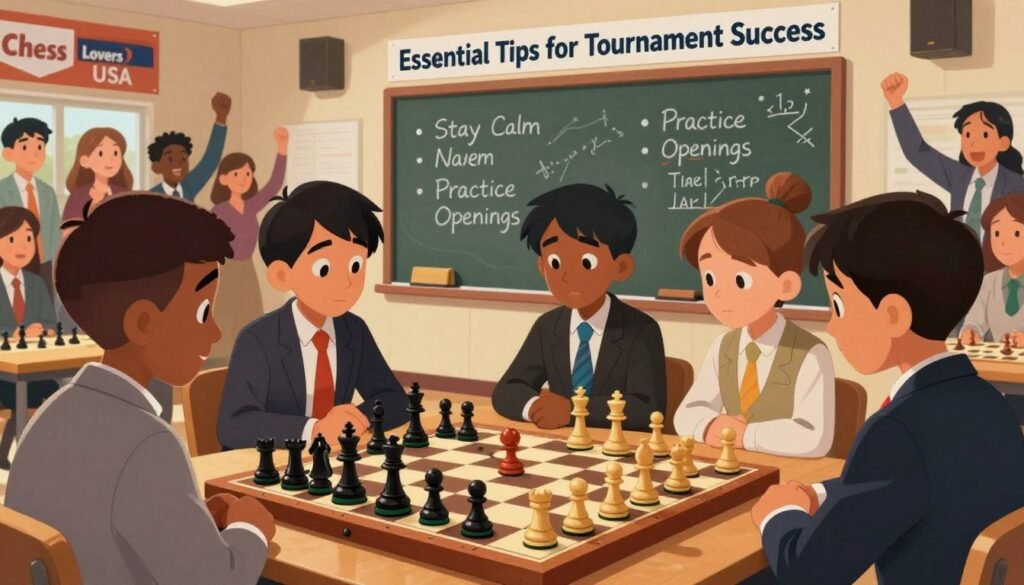
“Review each game after the event. Learn fast. Improve your rating and confidence!”
Being on a team gives players a support system. Coaches and peers help reduce pressure at high school and middle school tournaments. Play multiple rounds to gain experience and grow stronger every year.
| Prep Step | Why it Helps | When to Do It |
|---|---|---|
| Clock practice | Controls time pressure | Before tournament and in club |
| Notation drills | Improves analysis and appeals | Weekly at home or class |
| Review games | Boosts rating and learning | After each event |
- Our coaches ready every middle school player for intensity and rules.
- We guide each player to review results and target rating gains.
- Enjoy the event! We help students reach goals and taste tournament thrill.
Navigating Tournament Sections and Ratings
Knowing how sections, clocks, and ratings work gives players a real edge. This helps teams and schools plan practice and tactics for the big day!
Understanding Age and Rating Groups
Events sort students into clear sections by age and rating. At the 2026 Oklahoma Scholastic Chess State Championships, players were placed at the Nigh University Center by these rules.
Why it matters: fair pairings, proper challenges, and better results for every player. Our registration process places each student in the right section to match skill and rating.
The Role of Chess Clocks
Every player must use a clock. Time controls keep rounds fair and predictable.
Practice with a clock at club or home. Learn simple time management. This makes each round less stressful and improves game speed.
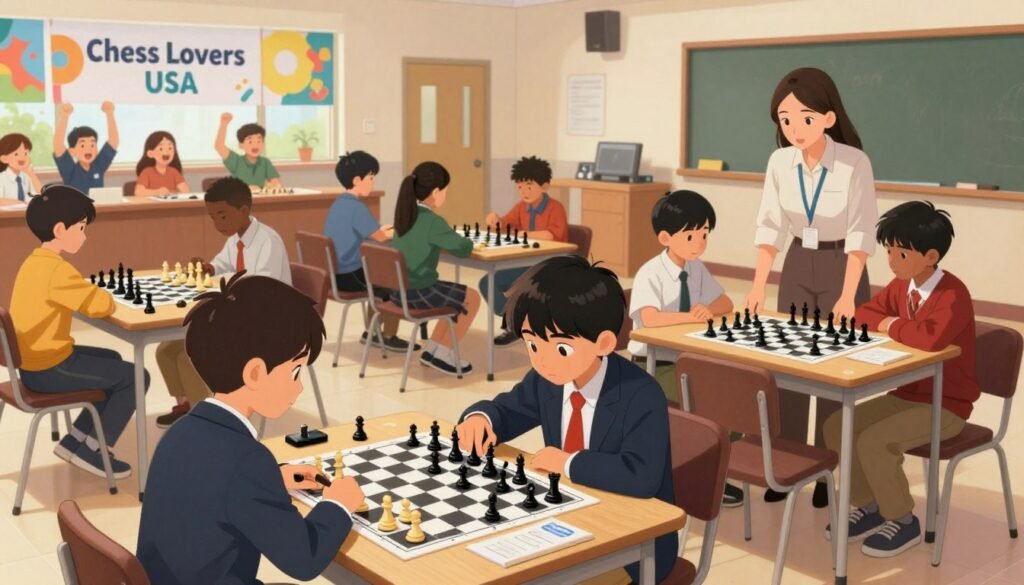
Sportsmanship Expectations
Sportsmanship is core to our community. Players shake hands before and after every single round.
Coaches and teams teach respect, rule-following, and calm behavior. Good manners make events fun and safe for middle school and high school competitors.
- Correct section placement boosts fair play.
- Clocks and notation are mandatory at most tournaments.
- Hall of Fame moments inspire players—Arya Roy Choudhury reached a 2000 rating and earned a spot there!
“Understand your section. Prepare your team. Play with respect.”
Building a Supportive Chess Community
When families, coaches, and schools team up, every player finds a place to grow.
We promote welcoming clubs and strong teams in every school and neighborhood. Volunteers and coaches run events and make sure each section is fair and fun.
The Minnesota Scholastic Championship is a great example. The Minnesota Scholastic Chess Association supports it to help youth grow, meet peers, and enjoy tournament days.
We urge every player to join a team. Team play builds skills fast. It creates friends and a support circle for wins and losses!
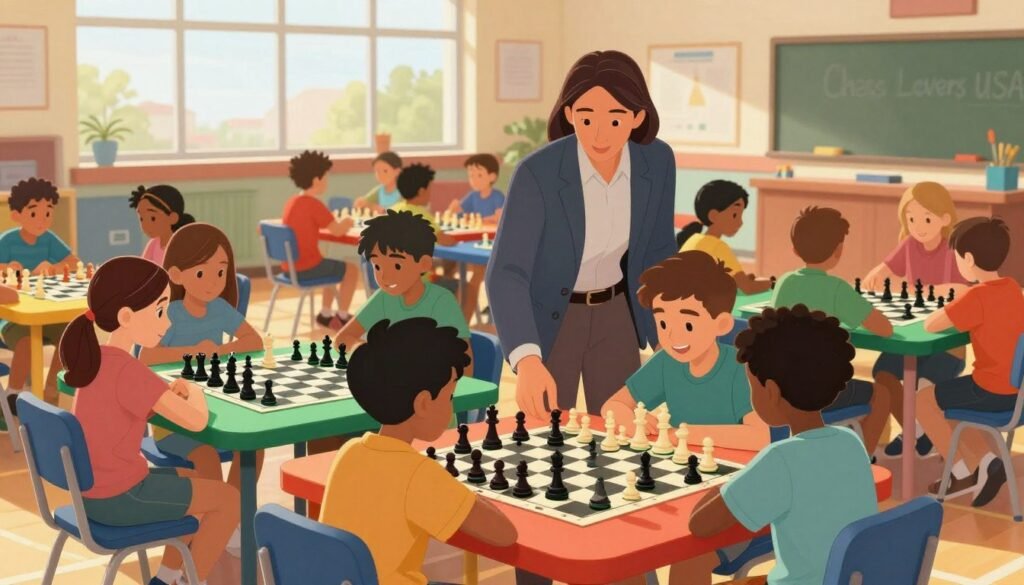
“By fostering a welcoming environment, we make every tournament a positive experience for every child.”
Every section of our outreach focuses on access and inclusion. Coaches, parents, and volunteers create pathways to programs and clubs that welcome all students.
| What | Benefit | How to Join |
|---|---|---|
| School club | Weekly practice and team play | Ask your school or contact local program |
| Community team | Regional events and coaching | Register with local club or association |
| Volunteer-led sections | Inclusive tournaments and outreach | Sign up to help or bring a student |
- We are committed to growing the game and creating chances for every player.
- Join us! Together we make a community where each student feels valued and inspired.
Conclusion
This guide aims to spark your next move—on the board and in your school community! Play, learn, and enjoy the journey.
Whether you are a beginner or a seasoned player, there is a place for you. Join a club or a team. Try a tournament and track your rating. Small steps lead to big results!
Check our chess education page for registration and event updates. Find local rounds, section info, and ways to help your middle school or high school program grow.
We can’t wait to see you at the next event. Thanks for being part of our mission to bring joyful learning to every player and team nationwide!