College Chess in America: The Hidden Engine Behind the Chess Boom

Can a quiet campus rivalry spark a national craze? We think so!

Imagine lecture halls turning into arenas. Student clubs grow into teams. Local tournaments grab headlines and air time. This shift has pushed a once niche pastime into a public phenomenon.

We are excited to share how this movement fuels a new wave of talent. Top universities now fund training, host high-stakes meets, and stream matches that feel like pro sports. That support helps players learn fast, compete hard, and aim higher every season!

Join us as we explore the history, rivalries, and bright future of this intellectual sport that shapes sharp minds and bold careers. You’ll see why families, students, and fans cheer the rise!

Key Takeaways

  • University programs have driven rapid growth and public interest.
  • Dedicated support helps students train like professionals.
  • High-level competition creates strong local and national scenes.
  • Broadcasts and events turned matches into spectator moments.
  • This movement nurtures strategic thinking and future leaders!

The Evolution of College Chess in America

The 1946 launch of a major team event rewired how schools supported mindful competition. That year saw the birth of the Pan-American Intercollegiate Team Chess Championship. It sparked a steady growth of campus programs and spirited rivalries!

From tiny club meetups to structured national shows, the change was fast and clear. Schools began to fund training and hire coaches. Students found new pathways to sharpen skills and win honors.
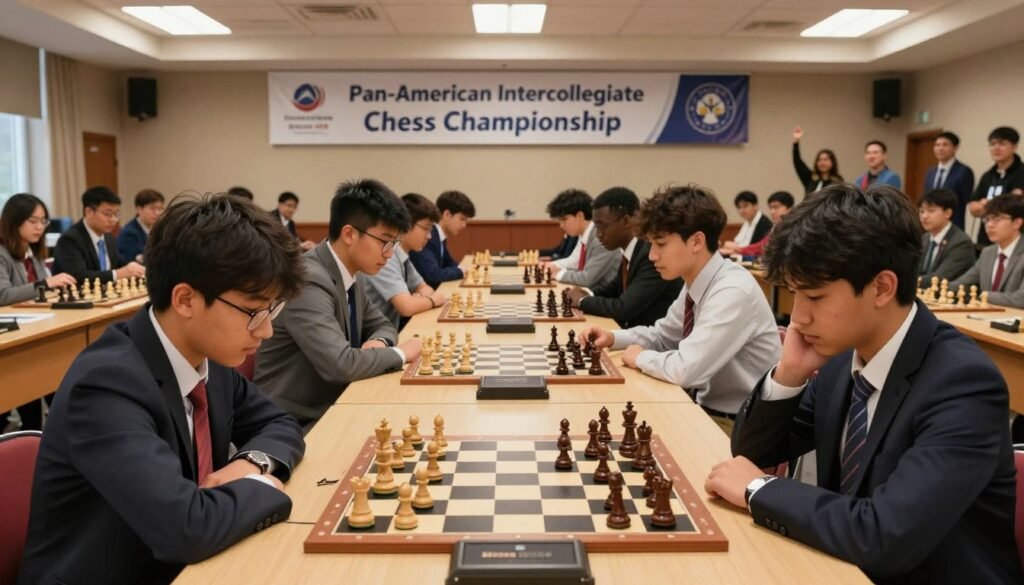
A dynamic college chess tournament scene set in a well-lit university auditorium. In the foreground, diverse students, focused and strategizing, are engaged in intense chess matches, each player dressed in professional business attire. Their chessboards are intricately detailed, featuring classic wooden pieces. In the middle ground, banners reading "Pan-American Intercollegiate Chess Championship" hang above the players, warmly illuminated by overhead lights. The background showcases an audience of enthusiastic supporters, representing various colleges, filled with excitement. Soft, warm lighting enhances the atmosphere, creating a sense of camaraderie and competitive spirit. Emphasize the essence of college camaraderie and strategic brilliance. The image reflects an inspiring moment in the evolution of college chess in America, branded with the logo of "Chess Lovers USA".

Every participant helped build a seven-decade legacy. The intercollegiate team model proved its value. It offered teamwork, strategy, and media-ready matches that attracted sponsors and fans.

  • 1946: a landmark event launches sustained growth.
  • Programs evolve from casual clubs to competitive squads.
  • Support from campuses turns play into career fuel!

Understanding the Collegiate Chess League

A new digital league gave squads a way to keep competing when live play paused.

The Collegiate Chess League (CCL) launched in 2020. It kept teams active during the pandemic. Since 2022 the league has broadcast major matches like the Pan-Ams and President’s Cup. Fans and students could watch matches live and learn from top players!
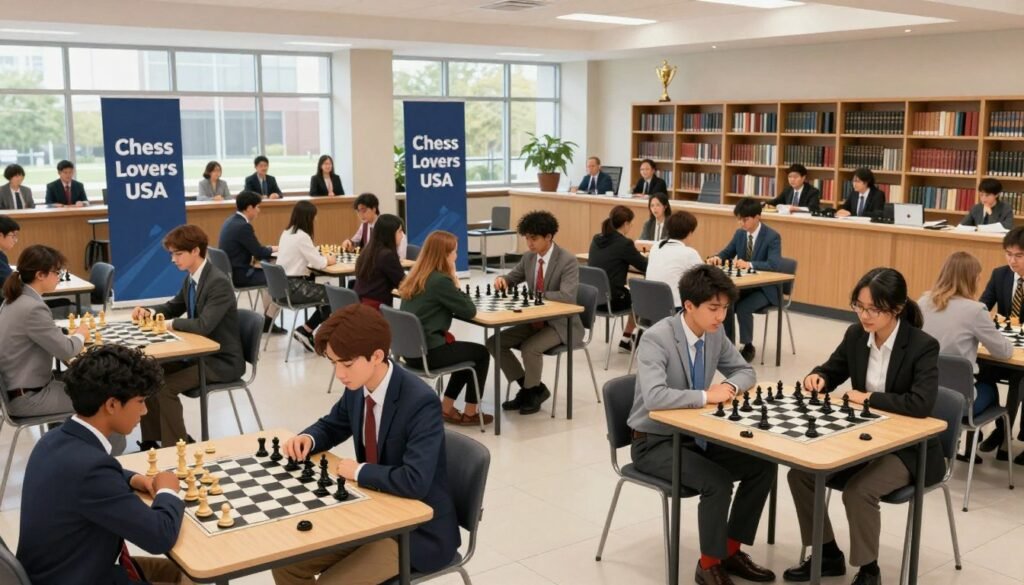
A collegiate chess league scene inside a bright, modern university hall. In the foreground, diverse students of various ethnicities are engaged in intense chess matches at neatly arranged tables, dressed in professional business attire. The middle ground features large banners displaying "Chess Lovers USA" proudly, while enthusiastic spectators watch in a casual yet focused atmosphere. In the background, large windows let in natural light, illuminating the space, with shelves filled with chess books and trophies. The room conveys a sense of competition and camaraderie, with soft lighting creating an inviting yet serious mood. The camera angle is slightly elevated, capturing the buzz of excitement while focusing on the players and their strategic expressions.

The Role of Digital Broadcasting

Streaming turned campus events into shared moments. Members tuned in from across time zones. Coaches used replays to train. Broadcasters added commentary and analysis. The result: bigger audiences and more excitement!

Growth Through Sponsorship

Support from partners like Susquehanna International Group helped the league grow fast. Sponsors fund broadcasts, prizes, and better tech. That attracts talent and boosts club recruitment.

  • Launched 2020: a safe platform for teams to play.
  • Broadcasts: live access to major event action.
  • Join: find all the information you need on the league website to enter your club and compete!

Powerhouse Programs and Their Strategies

A mix of funding, coaching, and global recruiting fuels long runs of dominance.

The Dominance of Saint Louis University

Saint Louis University launched its program in 2016 and rose fast. Strong coaching and steady support turned recruits into title winners. The squad competes in the collegiate chess league and grabs top honors!
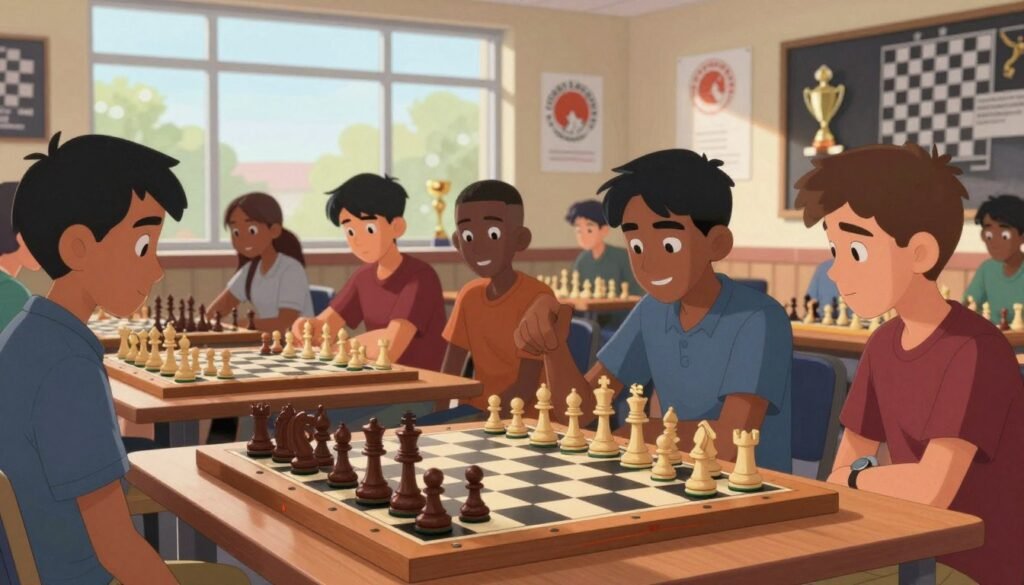
A bustling college chess program in an academic setting, featuring a diverse group of students and a professor engaged in strategic discussions over chessboards filled with pieces in mid-game. In the foreground, a close-up of a classic wooden chessboard reveals intricate pieces, while the middle of the scene shows students intensely analyzing strategies and sharing ideas. In the background, large windows let in bright, natural light, casting shadows that enhance the focused atmosphere. The room is adorned with motivational chess posters and trophies celebrating victories, contributing to a vibrant, intellectual mood. Soft bokeh effects in the background emphasize the students' determination and collaboration. Include the logo of "Chess Lovers USA" subtly integrated into the design, reflecting the commitment to nurturing talent in college chess programs.

Webster University and Strategic Growth

Webster University stands out with eight Pan-Am wins and six President Cup titles. The President’s Cup began in 2001 and Webster used smart recruiting to build depth over the years.

The Legacy of UT-Dallas and Texas Tech

UT-Dallas and Texas Tech keep reaching the final four. Their long-term plan balances academics and elite play. Each player trains hard while studying full time!

School Founded / Key Year Major Titles Strength
Saint Louis University 2016 Multiple league titles Funding & coaching
Webster University Established legacy 8 Pan-Am, 6 President Cup Recruiting depth
UT-Dallas & Texas Tech Long history Frequent final four Consistency & development
  • Every club member balances study and intense competition.
  • Read our reports for more information on recruiting and training tactics!

The Prestige of the Pan-American Intercollegiate Team Chess Championship

When the Pan-American Intercollegiate arrives, schools bring their best four boards and big ambitions. This 4-board format makes every match matter. Each board can swing a round. Coaches plan pairings with care!

The Pan-American Intercollegiate is the most prestigious intercollegiate team chess championship. Top teams fight for the national title and a spot in the Final Four. The top four Open squads qualify for the Final Four College Chess Championship.

It is a special time of year. Members from many schools gather to test skill, grit, and teamwork. Fans watch tense games. Players train for clutch moments and trophy chances.
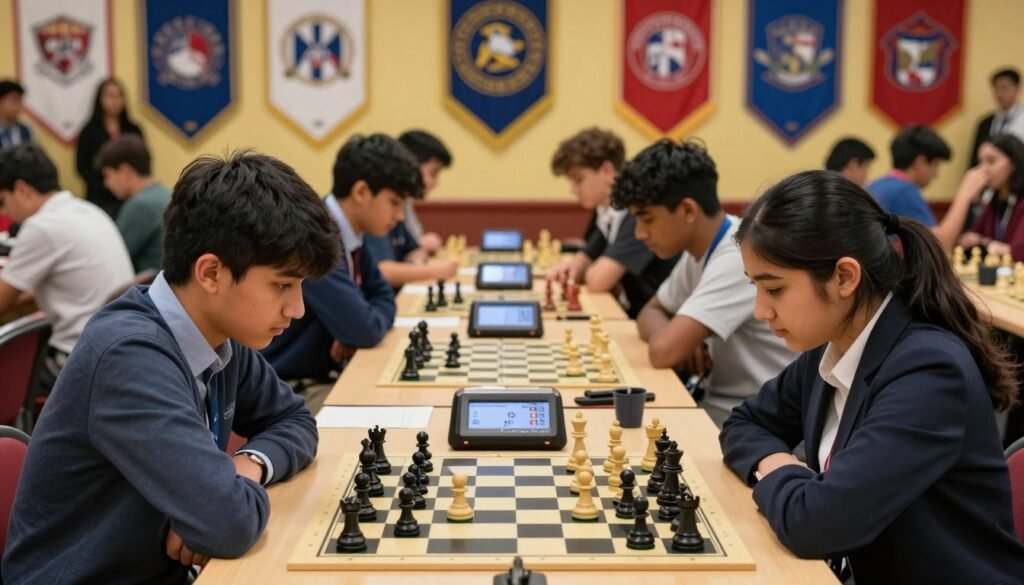
A scene depicting the Pan-American Intercollegiate Team Chess Championship, showcasing diverse college teams engaged in focused play. In the foreground, two young adult players, one male and one female, wearing smart casual attire, intently study their chess boards, with pieces strategically positioned. The middle ground features additional teams in deep concentration, with chess clocks ticking. Behind them, a vibrant backdrop of university banners and enthusiastic spectators fills the room, creating an electrifying atmosphere. Soft, focused lighting highlights the intensity of the matches, adding a sense of prestige and urgency to the scene. A subtle depth of field draws attention to the players, while hints of colorful chess pieces provide contrast. This image is branded subtly with "Chess Lovers USA" in the corner.

Want more information on the President Cup and the tournament’s history? We cover the years, the great title runs, and how this event shapes future champions. Debsie cheers every young player and supports learning through play!

  • Format: 4-board team setup.
  • Goal: national championship and Final Four berth.
  • Highlight: a season-defining event that showcases top teams and strategic brilliance.

Academic Institutions and the Rise of Chess Culture

Schools are proving that rigorous study and competitive play can grow together. Campuses now treat strategic games as a key part of student life. This shift helps young minds sharpen skills both on the board and in class!
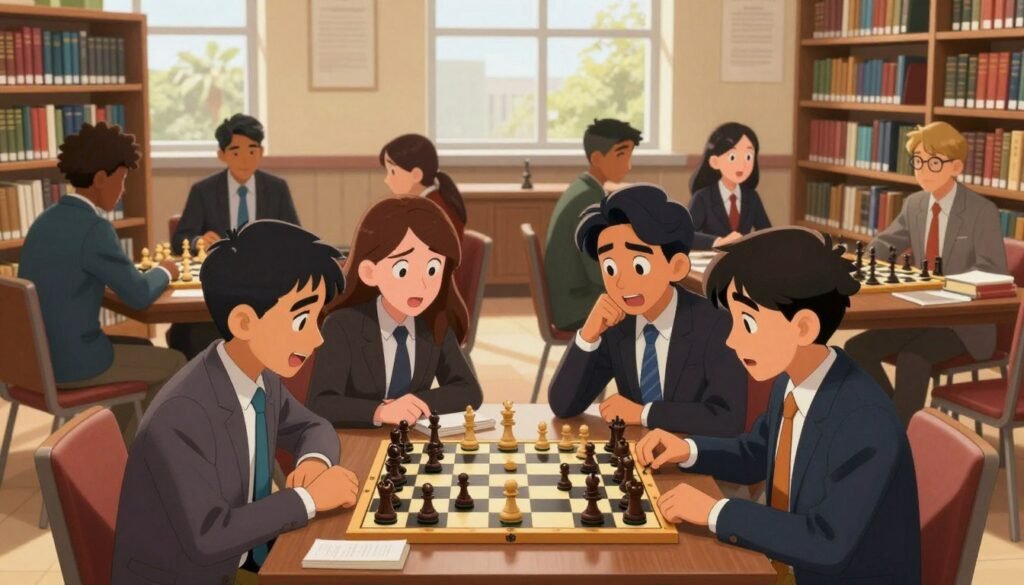
A vibrant scene depicting academic chess culture in a university setting, featuring diverse students engaged in a chess tournament. In the foreground, a group of four students, dressed in professional business attire, are intensely focused on a chessboard, with expressions of concentration and excitement. In the middle ground, other students can be seen discussing strategies and analyzing games, surrounded by books and chess literature. The background showcases a university library with shelves filled with chess-related books, large windows letting in warm natural light that creates an inviting atmosphere. The mood is lively yet intellectual, capturing the essence of camaraderie and competition. The image branding includes “Chess Lovers USA” subtly integrated in a corner without overpowering the scene.

Balancing Elite Academics and Competitive Play

We see programs that prioritize both books and battles. Professors and coaches coordinate schedules. Tutors and study halls support travel days. Players keep high grades while competing at major events!

  • Support: many programs give members study resources and flexible timetables.
  • Growth: each chess club helps students grow socially and intellectually!
  • Evidence: reports over the years show improved outcomes for students who play and study!

Want more information? Reach out to your campus club or program. We cheer every team member and welcome you to play, learn, and grow with us!

Preparing for Upcoming Collegiate Events

Good planning turns pre-event stress into focused preparation and confident play. Start with clear deadlines and a checklist. Small steps keep teams calm and ready!

Registration and Eligibility Requirements

Register early. For the 2026 Pan-American Intercollegiate Team Championships, the site is Oak Brook, IL this year.

Make sure every player meets eligibility rules. Submit rosters and proof on time. Missing a form can stop a team from competing!
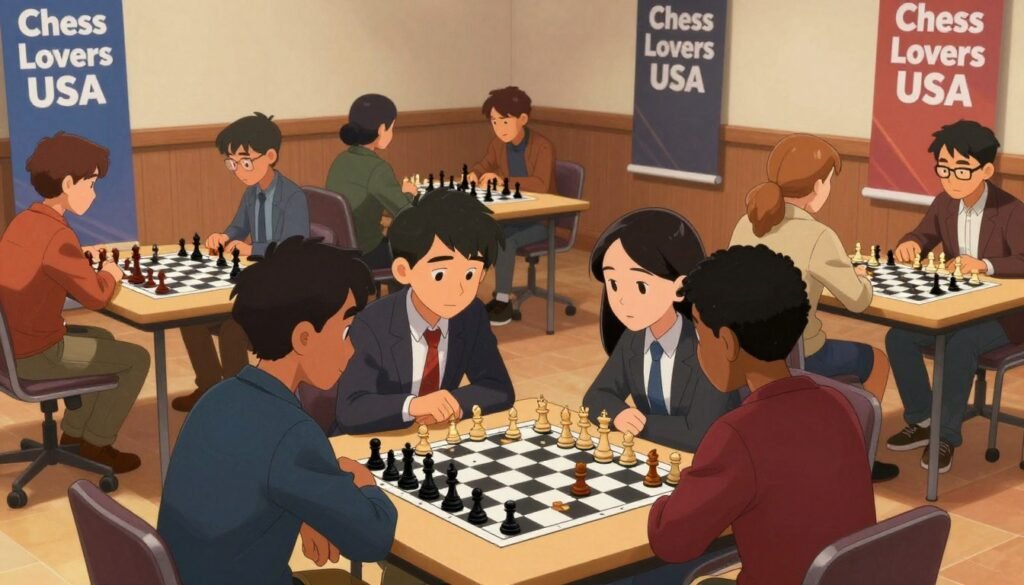
A vibrant collegiate chess league scene set in a university auditorium. In the foreground, a diverse group of three students, each dressed in smart casual attire, intensely focus on a chessboard, deep in strategy discussions. The middle layer features several chessboards arranged on tables, showing players in competitive play, with pieces captured and strategic moves being planned. The background highlights banners with "Chess Lovers USA" emblazoned, creating a spirited atmosphere. The lighting is bright yet warm, with soft spotlights focusing on the chess tables to emphasize the action. The angle is slightly elevated, capturing the energy of the event while conveying a sense of camaraderie and competition, embodying a spirited preparation for upcoming collegiate events.

Navigating Tournament Schedules

Lineup submissions are due 90 minutes before each round. Coaches must lock boards early. That gives players clear match prep time.

Use the published schedule to plan travel, study sessions, and warm-ups. Join the collegiate chess league to gain match experience and prepare for big events.

  • Get all information from the event page.
  • Confirm eligibility for every member.
  • Submit lineups on time to avoid penalties.

Conclusion

A wave of campus programs has changed how young players learn, compete, and win. We hope you enjoyed this look at college chess and the people who drive it forward!

From the historic President’s Cup to the modern collegiate league, there is room for every student and every chess club to grow. Debsie is proud to be the #1 provider helping kids prepare for the next big team chess championship title!

Check our website for upcoming events, entry details, and ways your local team can join the action. We can’t wait to see who claims the next title and keeps this great championship legacy alive!

FAQ

What is the Pan-American Intercollegiate Team Chess Championship?

The Pan-American Intercollegiate Team Chess Championship is the top team event for colleges and universities across the Americas. Teams compete for national and regional titles, and winning teams often earn spots in elite events like the President’s Cup and other national finals. It’s a big stage for students to play, learn, and grow!

Who can join a collegiate chess team or club?

Most teams and chess clubs welcome enrolled students, from freshmen to graduate students. Eligibility rules vary by event, so check registration details for each tournament. Many programs also have outreach for new players and beginners, so you can start even if you’re still learning to play!

How do teams qualify for major intercollegiate events like the President’s Cup?

Qualification often depends on performance in the Pan-American Intercollegiate and other league events. Top teams from regional and national tournaments secure spots. Schools with strong programs and sponsorships, like Saint Louis University and Webster University, routinely qualify thanks to consistent results and robust recruiting.

What makes programs like Saint Louis University and UT Dallas so successful?

Success comes from strong coaching, dedicated practice, and strategic recruiting of top players. These programs combine elite training, scholarship support, and frequent competition. They also build a team culture that balances academics and play so students thrive both on the board and in the classroom.

Does Webster University offer a chess minor or academic support for players?

Webster University is known for integrating chess into academic life, including scholarship support and course options related to the game. Many universities offer mentoring and flexible class schedules so competitive players can train, compete, and keep up with studies.

How do digital broadcasts help collegiate events?

Digital broadcasting brings matches to fans worldwide! Live streams and commentary increase visibility for players and sponsors, boost recruitment, and grow the spectator base. Broadcasts also let alumni and family follow team chess championships from anywhere.

Are there scholarships for students who play team chess?

Yes. Several universities provide scholarships and financial aid for strong players. Scholarship availability depends on the program and the school’s budget. Top programs often offer full or partial awards to attract talented competitors.

How can a new player prepare for their first intercollegiate tournament?

Start with consistent practice, join your campus chess club, and play regular team matches or online events. Work on opening basics, tactics, and endgames. Coaches and senior team members often run workshops and practice leagues to help beginners gain confidence.

What are common registration and eligibility requirements for collegiate tournaments?

Requirements usually include proof of enrollment, student ID, and adherence to event rules on team composition and board order. Some events limit professional players or require residency documentation. Always review the tournament’s registration page before signing up.

How do teams manage busy academic schedules and tournament play?

Successful teams plan early. They coordinate with professors, schedule study groups, and use time management tools. Universities often support student-athletes with tutoring and flexible deadlines during major competitions.

What role do sponsorships and partnerships play in the growth of collegiate chess?

Sponsorships fund travel, training, and broadcast production. They help leagues grow by covering event costs and offering prize funds. Visibility from sponsors attracts more members and builds stronger programs across campuses.

Where can I follow intercollegiate team results and final four-style events?

Follow official league websites, university chess program pages, and streaming channels for live coverage and reports. Social media and chess news sites also post regular updates, match reports, and year-by-year results.

Can high school students attend college chess events or watch them?

Yes! Many events welcome spectators and youth players. Attending tournaments is a great way to learn about team methods, meet players, and get inspired. Some programs also run youth outreach and summer camps.