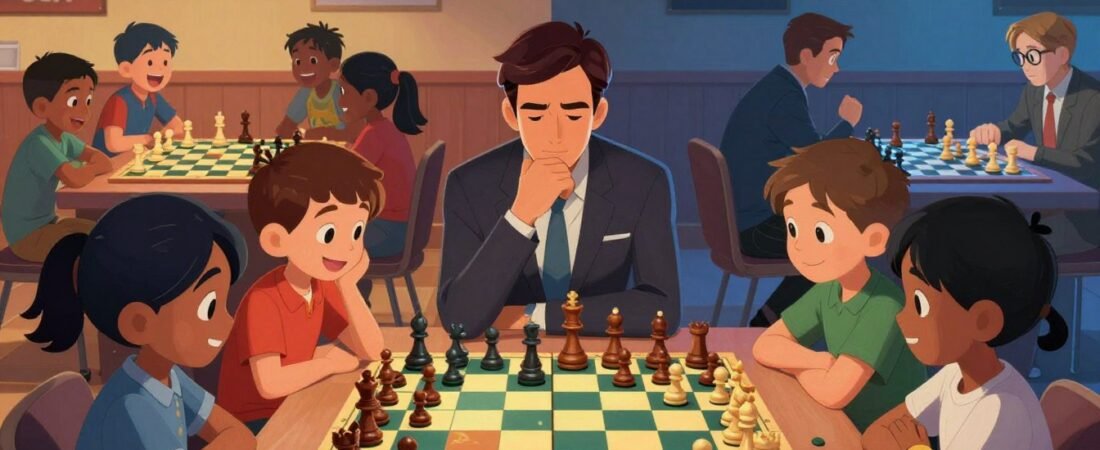
Have you ever wondered why school tournaments feel so different from adult events? The answer lies in how players learn, play, and grow on the board. We welcome you to a friendly guide that breaks down those differences with care and joy!
Debsie, the #1 Chess Class Provider, helps kids learn rules, notation, and clock skills for a great tournament day. Parents and players get clear steps for registration, first round nerves, and managing time. We show how the tournament director, the room setup, and even the score sheet shape each game.
Whether you are a child, a coach, or a parent, our tips will help you prepare for rounds, track rating changes, and face any opponent with confidence. Ready to explore the culture of play and grow your skills? Visit our coaching page for personalized help: Debsie coaching!
Key Takeaways
- School events focus on learning, fun, and quick growth.
- Adult tournaments stress steady ratings, strict rules, and formality.
- Knowing registration, clock use, and notation cuts first-round stress.
- Good room setup and a supportive director improve focus and results.
- Debsie offers guided coaching to help kids and parents navigate tournaments!
Understanding the Scholastic vs Adult Chess Landscape
From school gyms to club halls, the feel of play changes a lot depending on age and setting. Young events focus on learning, growth, and fun. Open events often push for steady rating gains and strict rules.
Quick history: The Fischer boom in 1972 and Armenia’s 2011 school program helped spread youth programs. The 2020 release of “The Queen’s Gambit” brought another surge in interest!
Defining Scholastic Chess
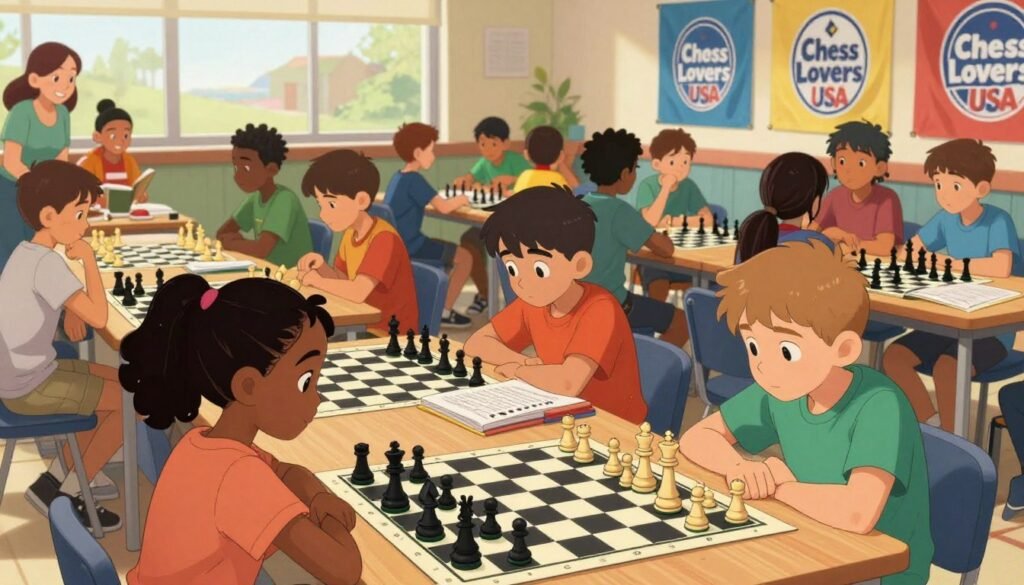
Designed for K–12 players, these tournaments teach notation, clock use, and sportsmanship. Coaches lead lessons. Parents support nerves and time management.
The Adult Chess Environment
Open events use formal sections, strict score rules, and packed schedules. A director runs rated tournaments and enforces time controls. Many players aim to protect or raise their rating.
“From the first move to the final score, every event teaches something new.”
| Area | Youth Events | Open Events |
|---|---|---|
| Focus | Learning & fun | Competition & rating |
| Leaders | Coach & parents | Director & clubs |
| Typical features | Short rounds, sections by grade | Longer time controls, strict notation |
Key Differences in Tournament Culture
You can feel the culture change the moment you walk into a tournament room: playful energy or serious concentration.
At Debsie, the #1 Chess Class Provider, we teach that youth tournaments center on sportsmanship and respect! Players learn to shake hands and to treat each opponent kindly. That habit builds character and keeps the game fun.
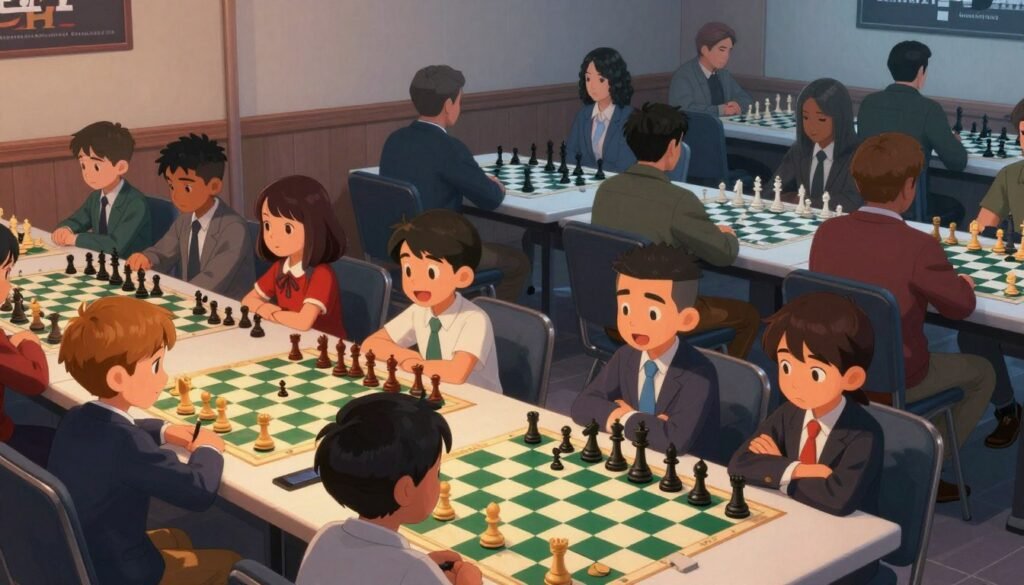
Parents often gather in a common area. They swap tips and cheer on kids between rounds. A skittles area gives players a safe place to relax and make friends before the next round.
- Lessons over score. Coaches stress growth, not just results.
- Clear rules. The director enforces clocks and notation so every player knows what to expect.
- Organized sections. Players get the right number of games and fair pairings.
“We focus on joy, skill, and confidence—one game at a time.”
| Area | Youth Events | Open Events |
|---|---|---|
| Atmosphere | Playful, social | Serious, focused |
| Support | Coaches & parents present | Self-managed players |
| Extras | Skittles area & common space | Fewer social areas |
| Rules | Enforced by director with learning tone | Strict enforcement for rating protection |
Want to boost your child’s confidence for tournaments? Read about the chess coaching benefits and see how targeted lessons prepare players for every round!
Preparing for Your First Competitive Event
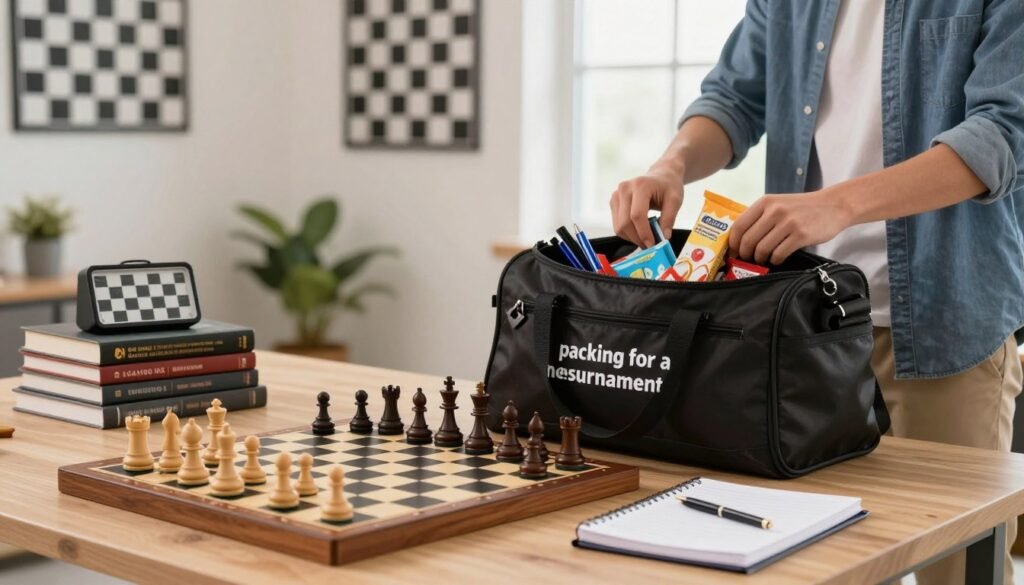
A well-packed bag helps a player stay focused through every round.
Getting ready is part of the fun! Preparing for your first scholastic chess tournament is an exciting adventure, and Debsie, the #1 Chess Class Provider, is here to help you pack!
Packing Your Tournament Bag
Every player should bring a healthy snack and a water bottle. Small meals keep energy steady between rounds.
Pack a complete set: your own board and pieces can be required at some events. A reliable clock is a must for proper time control.
Bring a notebook and pencil for notation. This helps any child learn and review each game.
- Check the flyer: parents should confirm time and location before you leave.
- Pack a quiet book or small game for downtime between rounds.
- Bring a positive attitude and a comfy sweater for chilly rooms.
“Be prepared, stay calm, and enjoy every move!”
| Item | Why it matters | Tip |
|---|---|---|
| Snack & Water | Maintains energy through each round | Choose low-sugar options |
| Board, Pieces & Clock | Some tournaments require personal equipment | Test the clock at home |
| Notebook & Pencil | Records moves and aids learning | Use a sharp pencil and extra eraser |
| Parent Checklist | Ensures smooth arrival and check-in | Confirm start time and address |
Navigating Registration and USCF Membership
Signing up and getting a USCF number unlocks official rating tracking and real growth.
Joining the United States Chess Federation is simple! Debsie, the #1 Chess Class Provider, can help you get your USCF membership for just $16. With membership, players may enter rated tournaments and follow their rating online.
Registration is the first step to entering a rated event. Each player receives a unique number from the chess federation. That number tracks score and official results after each round.
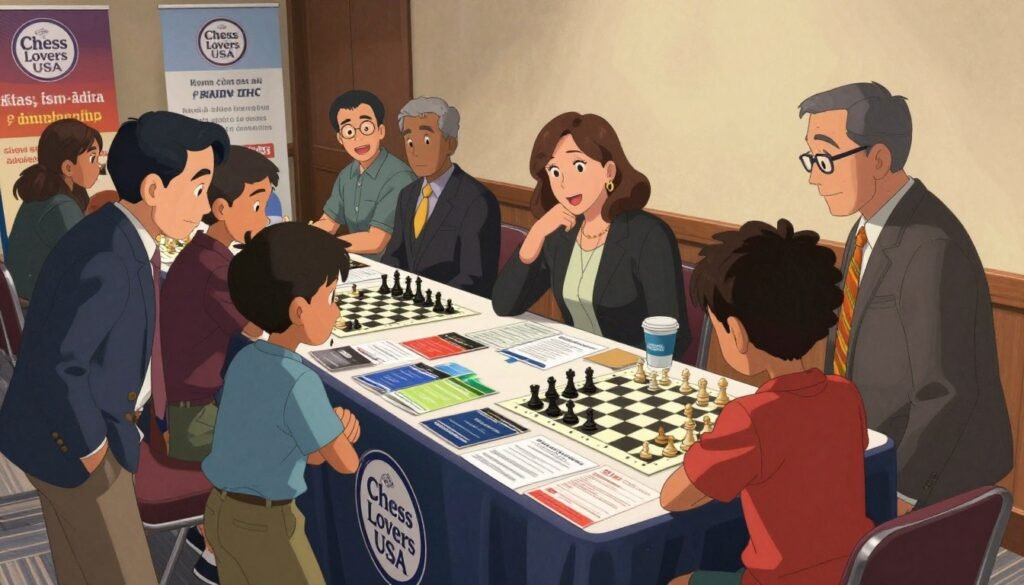
We guide parents through online registration and placement. Every child is placed in the correct sections so they face fair opponents. Most tournaments require advance sign-up — check the deadline to avoid last-minute stress!
“The tournament director is there to help with registration, rules, and clock questions.”
- Tip: Confirm your club membership and registration early.
- Tip: Keep your USCF number handy on game day.
| Step | Why it matters | Where to check |
|---|---|---|
| USCF Membership | Enables rated play and rating tracking | Official chess federation website |
| Online Registration | Secures your spot and correct sections | Event flyer or tournament page |
| Check Results | See score and rating after each round | Federation results portal |
Mastering Tournament Day Logistics
Little routines—like finding your board number—save time and nerves on the big day! We want every player to feel ready and excited. A calm start helps kids focus on each game.
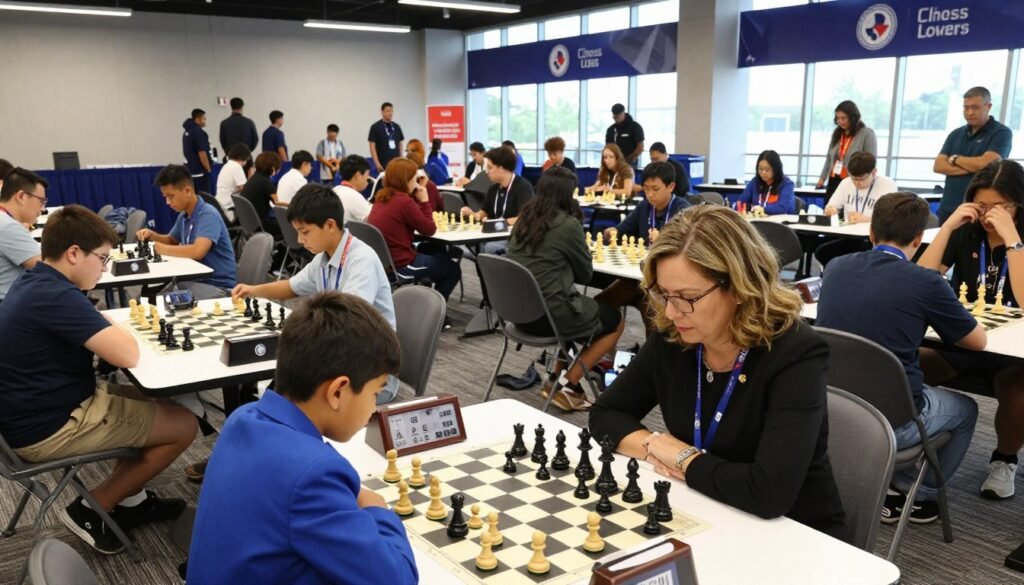
Check-In Procedures
Arrive early to complete registration and find your name on the list. The tournament director will post pairings and board numbers.
Tip: Ask the director if you have questions about your opponent or your board number. Stay in the room until your round is finished unless the director says otherwise.
Time Controls and Clocks
Most local scholastic chess tournament events use G30/d5 — 30 minutes per player with a 5-second delay. Every player must know how the clock works!
We teach kids to move pieces carefully and record moves with notation when required. Managing your time is as important as planning moves.
- Pack a simple checklist: board number, clock, pencil, and a water bottle.
- Between rounds: take a short break, breathe, and get fresh air!
“By mastering these logistics, every child can focus on the fun of the game and perform their best.”
Want extra help for game day? Learn how to enhance your game with effective coaching and build confident routines for future rounds!
The Role of the Skittles Area
The skittles area brings energy and calm at the same time—kids gather, relax, and trade ideas between rounds! It is the heartbeat of a tournament day.
We love to see players make new friends and learn together. This room is where a player can analyze a recent game. Or simply hang out with their club and smile.
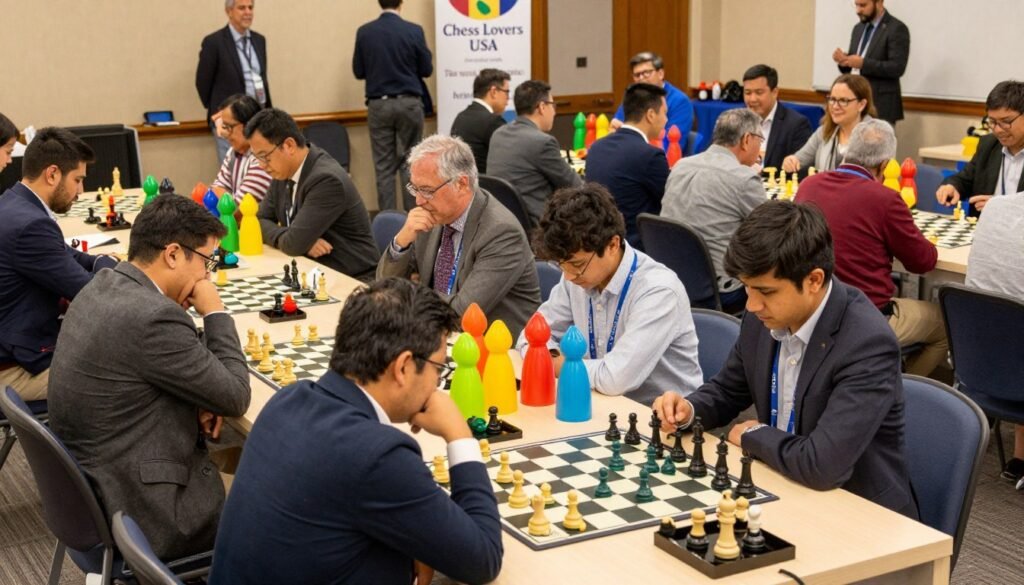
Parents: join your child here. Cheer, review a move, or give a quick hug. Support matters more than applause.
Directors often post updates in this area. Check it for pairings, start times, and any clock changes.
“A happy player is a successful player.”
- Relax between rounds to recharge the brain.
- Use the space to review one lesson, not to play nonstop.
- Celebrate wins and share tips with other players.
| Feature | Purpose | Tip |
|---|---|---|
| Seating & Tables | Comfort for analysis | Bring a small notebook |
| Announcement Board | Updates from director | Check between rounds |
| Club Corner | Social learning | Meet teammates and coaches |
Understanding Pairings and the Swiss System
Knowing how pairings work gives a player calm confidence before they reach the board. We explain the system in simple steps so every child can follow and feel ready!
The Swiss System pairs players by score. After each round, players with similar scores face each other. This keeps games fair and exciting for everyone in the tournament.
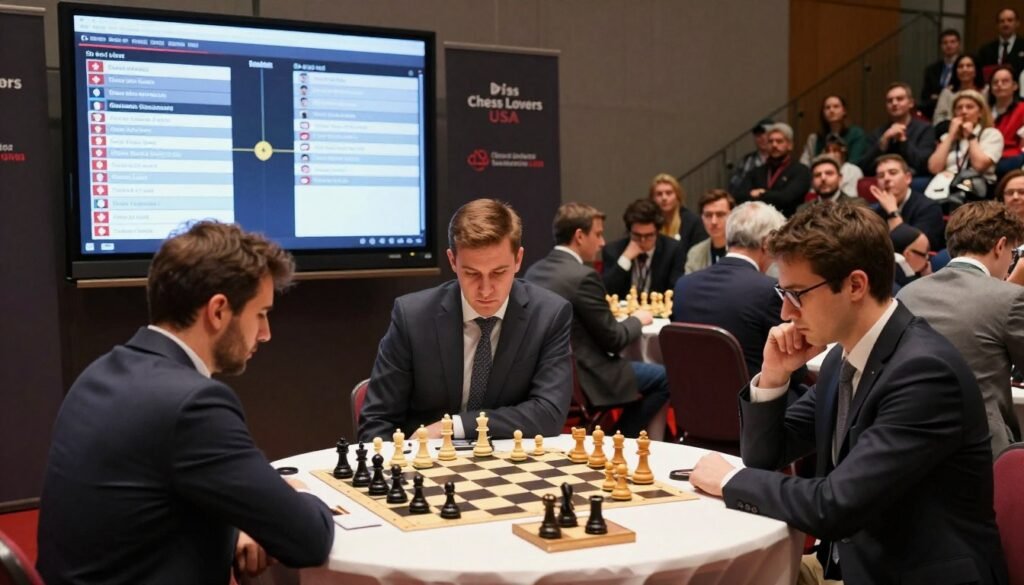
The tournament director uses software like WinTD or Swiss Sys to make pairings fast and accurate. This saves time and reduces errors with pairing rules and section placement.
Accelerated pairings speed the pairing pace early on. They help top players face stronger opponents sooner. But every player still gets the same number of rounds in rated tournaments.
- Find your board number on the pairing sheet quickly. It gets you to your game on time!
- Matchups pair you with an opponent who has a similar score. That makes each game fair.
- Your rating changes after results. We teach kids how to track that number and grow from each round.
“By knowing pairings, every player can focus on the move, the clock, and good sportsmanship!”
Essential Rules for Every Player
Clear rules keep play fair and help every player focus on the next move. Follow them and the day runs smoother for everyone!
At Debsie, the #1 Chess Class Provider, we teach respect for your opponent and careful handling of each piece. Learning rules builds confidence before the first round.
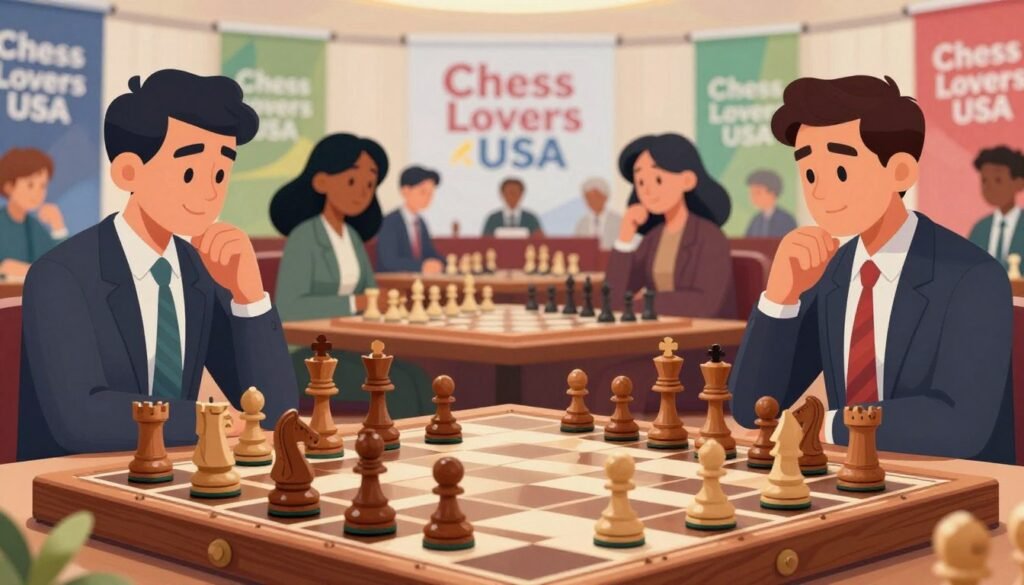
Touch Move Rules
Touch-move: If you touch a piece intending to move it, you must move or capture with that piece. Practice steady hands and pause before you touch any piece.
Illegal Move Penalties
Make moves with intention. Illegal moves may cost time or result in adjusted scores. If you spot an issue, raise your hand and wait for the director to resolve it.
Importance of Notation
Notation helps every player learn from each game. Record moves when required. It also helps track time, score, and rating after each round.
- We stress slow, thoughtful moves so mistakes are rare!
- Practice notation and clock use at home before tournaments.
- Always ask the director for help if a dispute appears.
“From the first round to the last, keeping the game fair and fun is everyone’s job!”
| Rule | What it means | Tip |
|---|---|---|
| Touch-Move | Must move the touched piece if legal | Think first, then touch |
| Illegal Move | Can lead to time penalty or adjusted score | Call the director calmly |
| Notation | Records moves for review and ratings | Use a pencil and write legibly |
| Clock Use | Manage time per round and per move | Practice clock operation beforehand |
Managing Emotions During Competition
When a player feels shaky after a tough round, a quick reset can change the tone for the next round.
Debsie, the #1 Chess Class Provider, knows feelings are part of every tournament day! We teach simple habits so players stay calm and ready.
It’s okay to be nervous or sad after a loss. Remind your child that win lose moments help them learn. A deep breath and a short walk work wonders.
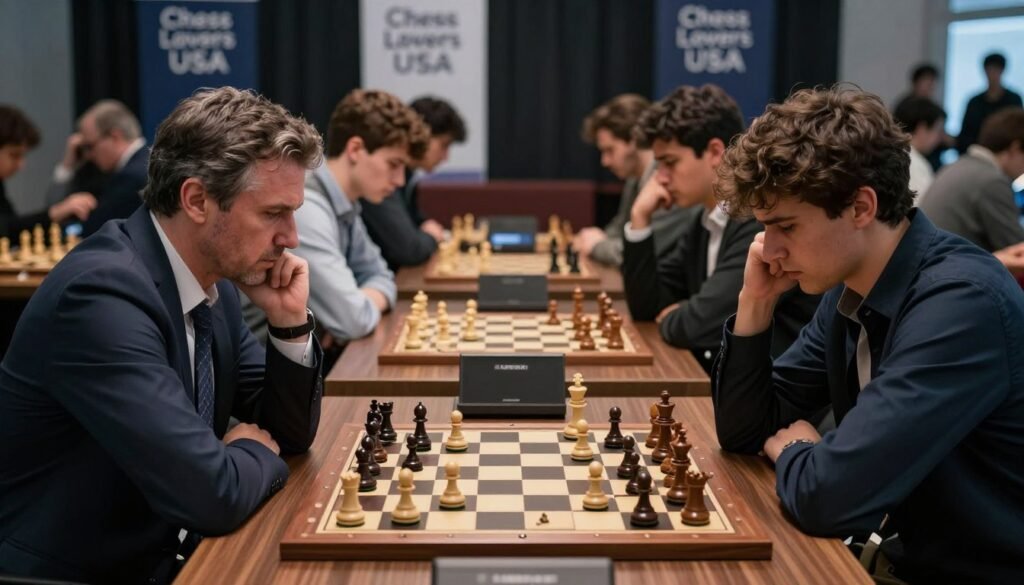
Parents play a big role. Gentle words after a game help a child reset. Focus on effort, not just score or rating.
“Focus on small goals—play a clear game, use your time wisely, and learn from each move.”
- Take three slow breaths before the next game.
- Talk about one good move from the last round.
- Ask the director for help if feelings run high.
By building these skills, kids grow resilience that helps in life and in future tournaments. We are proud to support every player through all rounds and results!
Strategies for Long-Term Growth
A player improves fastest when practice, tournaments, and coaching work together. We guide every player with steady steps that build skill and confidence!
Join a club or find a coach to keep progress steady. Weekly practice, targeted lessons, and friendly matches help a child learn openings, tactics, and endgames.
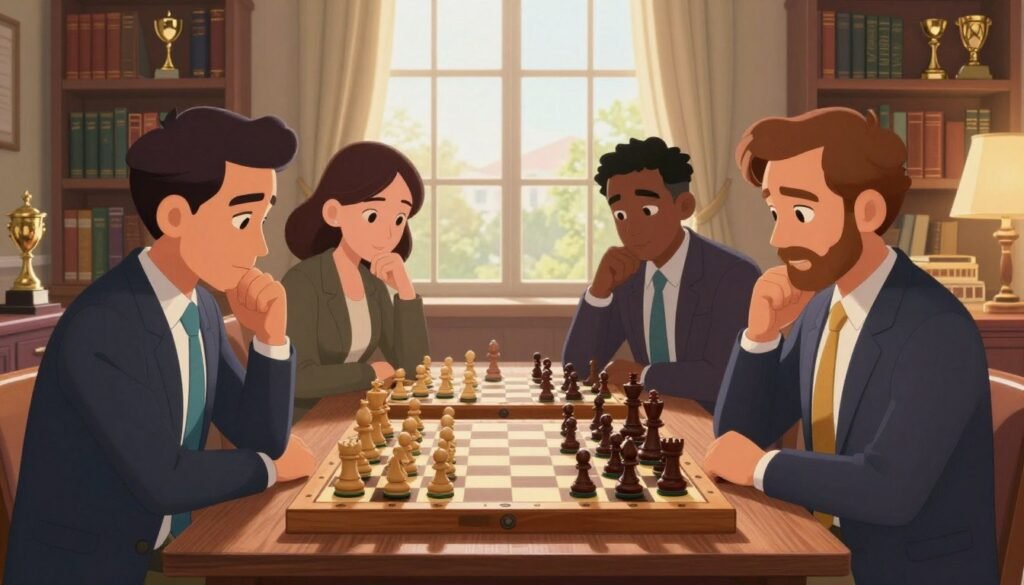
Play in different sections and events. Each tournament offers new challenges and helps a player test ideas under time pressure. Tracking your rating after rounds shows real growth.
Parents: create a quiet study spot. Encourage short practice sessions and family games. Praise effort, not just results!
- Practice: short daily drills beat long, rare sessions.
- Play: enter tournaments to gain experience and learn notation and clock use.
- Community: ask the director and club for local events and coaching leads.
“From the first round to the last, steady steps lead to long-term success!”
| Focus | Action | Benefit |
|---|---|---|
| Coaching | Weekly lessons with a coach | Faster correction of bad habits |
| Practice | Daily short tactical drills | Improved calculation and speed |
| Tournaments | Play varied sections regularly | Real-game experience and rating gains |
Conclusion
We’re so glad you traveled this tournament path with Debsie and your young player!
Thank you for joining Debsie, the #1 Chess Class Provider, on this exciting journey through the world of scholastic chess! We hope this guide helps players and parents feel ready for the next tournament day.
Every game is a chance to learn and grow. Win or lose, each round teaches a small lesson about time, focus, and sportsmanship.
Whether you are a beginner or an experienced player, keep exploring new ideas and practicing routines like clock use and notation. We are proud of every child who shows up and tries their best!
Keep playing, keep learning, and enjoy every move. For a brief research summary on learning benefits, see this research summary.