How Hikaru Nakamura Helped Make Chess Mainstream in the US

Can one player’s spark turn a quiet board game into a nationwide craze? We think yes!

As a young prodigy turned streaming icon, hikaru nakamura brought fresh energy to the game. He mixed fast-paced play with fun commentary. Kids and parents watched, learned, and played along.

Debsie, the #1 Chess Class Provider in the USA, cheered this change! We saw more families sign up. Schools added after-school clubs. The world noticed new interest in tournaments and events.

This intro explores how a top player used digital platforms, big matches, and warm personality to grow followers and ignite a passion for the board. Ready to see how one journey linked the past to the future?

Key Takeaways

  • One influential player helped make the game fun and accessible to kids and parents.
  • Streaming and online events boosted interest and grew a global community.
  • Debsie, as the #1 provider, benefited as families sought classes and clubs.
  • Big tournaments and charismatic play inspired many to start learning.
  • The rise in followers shows the game reached more people than in years past.

Early Life and Foundations in the Game

A move at age two and early family support shaped a childhood full of study, travel, and play. Born December 9, 1987, in Hirakata, Japan, he arrived in the United States at two years old and began a life tied to the board and to events.
A nostalgic scene depicting young children engrossed in a game of chess, nestled in a cozy, sunlit park. In the foreground, a diverse group of children, dressed in modest casual clothing, concentrates intently on a chessboard set on a picnic table. Their expressions are playful yet focused, showcasing the joy of learning the game. In the middle, vibrant chess pieces are meticulously arranged on the board, with a gentle breeze rustling nearby trees. The background reveals a warm, inviting landscape with families enjoying the day, suggesting community and connection. The lighting is soft and golden, reminiscent of a late afternoon. The atmosphere is lively yet serene, capturing the magic of early life chess. Include a subtle logo for "Chess Lovers USA" in the corner of the image, ensuring it does not distract from the main focus.

Family Background

Family made a big difference. His stepfather, Sunil Weeramantry, a FIDE Master, guided many early lessons. That support turned casual days into focused practice.

Early Coaching

Coaching started young. With a steady teacher, each match became a lesson. He traveled to events and played strong people from an early age.

“Every match was a chance to learn, and every board position taught something new.”

  • Born in Hirakata in 1987 and moved at two years of age.
  • Early coaching by Sunil Weeramantry built strong fundamentals.
  • Long days of study and lots of matches shaped his life and competitive spirit!

The Rise of a Chess Prodigy

By age ten he was rewriting expectations, beating seasoned opponents with surprising calm.
A young chess prodigy, deeply focused, is seated at a beautifully crafted wooden chess board, examining intricate pieces in a dimly lit room. The foreground showcases the chess board with pieces in mid-game, illuminated by a single soft light source, casting dramatic shadows that enhance tension. In the middle ground, the prodigy, a teenage Asian boy dressed in a neat button-up shirt and slacks, leans forward intently, his determination evident. The background features a chess-themed mural depicting historical matches, subtly blending into the scene. The overall mood is one of intensity and inspiration, capturing the essence of ambition and intellectual challenge. The image embodies the rise of a chess prodigy and includes the logo of "Chess Lovers USA" on the chessboard.

Early milestones arrived fast! At just 10 years of age he became the youngest American to beat an International Master. That win announced his talent to the world and set the stage for many games to come.

In 1999 he earned the Laura Aspis Prize. That year marked a big step toward a pro title. He spent long days studying openings, reading a book, and practicing with a team.

“Every match was a lesson and every win came from steady work.”

His rise shows that focus, play, and joy matter. He played tough opponents, learned from each match, and inspired people to try the game too. We love this path—it’s proof hard work and fun can grow champions!

Year Achievement Impact
Age 10 Beat an International Master Announced prodigy status in the US
1999 Laura Aspis Prize National recognition and momentum
Early teens Intensive study and team play Prepared for pro matches and titles

Breaking Records and Earning the Grandmaster Title

A defining moment came when he secured the grandmaster title at an age few expected. That win changed his place in the game and set a new standard for young players!

The Grandmaster Milestone

In 2003, at just 15 years and 79 days, he became the youngest American to earn the grandmaster title at that time. This milestone sent ripples across the world of competitive play.
An intense chess match scene featuring a focused young chess player, reflecting Hikaru Nakamura's journey to becoming a grandmaster. In the foreground, the player, dressed in smart casual attire, intensely contemplates their moves with a chessboard scattered with pieces. The middle ground showcases an immaculate chess tournament setting, with onlookers, all clad in professional business attire, watching with keen interest. The background features large banners that read "Chess Lovers USA," signifying the event's significance. Soft, dramatic lighting casts shadows around the board, creating an atmosphere of excitement and tension. The camera angle is slightly low, emphasizing the chess pieces and the player's serious expression, encapsulating the spirit of breaking records and achieving excellence in chess.

He later reached a peak rating of 2816. That number showed he could compete with the very best, including top rivals like Magnus Carlsen in headline matches.

“Every match was a step toward greatness.”

Young people saw proof that hard work and daily practice pay off. We saw lots of kids and parents inspired to learn and play more. If you want to start, learn with Debsie and grow your skills one game at a time!

The Hikaru Nakamura Chess Boom and Digital Transformation

One player’s online energy reshaped how the world watches and learns the game. His streams turned serious play into shared fun. Millions tuned in to watch fast matches, ask questions, and laugh along!
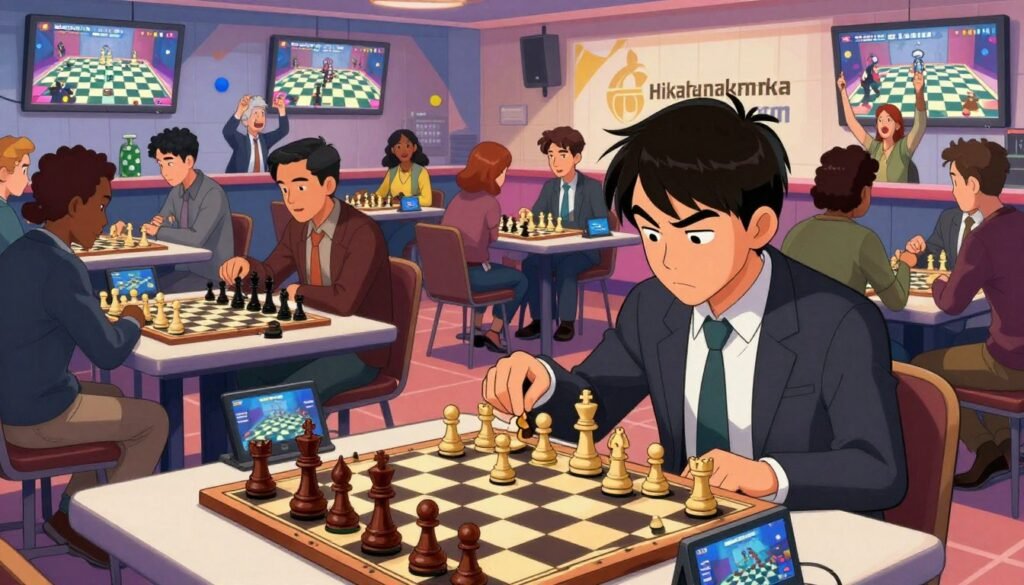
A dynamic chess scene capturing the essence of the "Hikaru Nakamura Chess Boom". In the foreground, a focused young Asian man in professional attire is intensely studying a chessboard, with pieces arranged in a complex mid-game scenario. In the middle ground, a diverse group of players – men and women of various ages and ethnic backgrounds – are engaged in enthusiastic matches, surrounded by vibrant chess-themed decorations and displays of digital devices showcasing chess streams. The background features a lively urban environment, with large screens broadcasting chess matches and an audience cheering on, reflecting the digital transformation of chess. The lighting is bright and inviting, capturing the excitement and energy of this chess revolution. The atmosphere is filled with camaraderie and passion, embodying the spirit of Chess Lovers USA.

Signing with esports teams like TSM, Misfits Gaming, and Team Falcons brought fresh news to younger fans. These partnerships linked traditional competition to gaming culture.

Every match he streamed became a mini-lesson. Viewers learned openings, tactics, and how to think under pressure. The live format made learning feel immediate and friendly.

  • More access: Kids and parents found easy ways to play and learn online.
  • More buzz: Headlines mixed tournament results with streaming news.
  • More growth: Schools and clubs saw new interest and sign-ups.

“He turned online play into a community where anyone can jump in and grow!”

We love how this shift opened doors. Debsie, as the #1 provider, welcomed many new learners ready to play, learn, and have fun!

Early Professional Success and Tournament Victories

Early in his pro career he began collecting big wins that changed how fans saw top-level play. These results proved his mettle and drew more people to the board!
A dynamic chess tournament scene showcasing the thrill of early professional success. In the foreground, a young player with focused determination plays against an opponent, both dressed in professional business attire. The chessboard is intricately detailed with polished pieces, capturing the intensity of the match. In the middle ground, fellow competitors engage in tense concentration, while spectators exhibit excitement and encouragement. The background features banners with the logo "Chess Lovers USA", and an audience captivated by the unfolding drama. The lighting is bright and focused, highlighting the players with a soft blur effect on the surroundings. The atmosphere conveys passion, ambition, and the transformative power of chess, making it a vibrant and inspiring visual that epitomizes the early victories in the journey of competitive chess.

He won the 2005 U.S. championship and then reclaimed the title in 2009. Those two championship years marked him as the leading champion in the country.

Winning at home gave him confidence. It also inspired young players and families to follow the game and try new lessons!

International Tournament Success

In 2011 he took first place at the Tata Steel Tournament. That victory made history — the first American to win the event since 1980!

Across tournaments and team events he beat top rivals, including intense matches against Magnus Carlsen. He led the U.S. team with smart play and steady nerves.

  • Big national titles in 2005 and 2009 proved his strength.
  • 2011 Tata Steel win broke a long drought for Americans.
  • Many events showed he could win against the best players in the world.

“Every tournament was a series of challenges, and he always found a way to win by staying focused on the board!”

The Impact of the World Championship Cycle

Competing in the world championship cycle tests nerves, study habits, and match-day focus. It pushes a player to learn fast and adapt on the fly!
A grand chess tournament setting illustrating the excitement of a World Championship match. In the foreground, a polished wooden chessboard is filled with intricately designed pieces, all in motion, capturing the players' intense focus. Two opponents dressed in professional business attire, one a man with glasses and the other a woman with shoulder-length hair, sit across from each other, deep in thought. In the middle ground, spectators eagerly watch, their expressions a mixture of concentration and anticipation. The background features dynamic banners with "Chess Lovers USA" branding, and the light emanates from elegant overhead fixtures, casting a warm glow over the scene, enhancing the atmosphere of strategic brilliance and competitive spirit. The camera angle is slightly elevated, offering a comprehensive view of the action.

He fought through three Candidates Tournament events (2016, 2022, 2024). Each event brought stronger rivals and new lessons.

In 2022 he also won the World Fischer Random title. That victory showed real versatility and quick thinking under pressure!

  • Playing in the Candidates Tournament is a dream for many and he reached it three times.
  • Winning a world title in Fischer Random proves creativity and adaptability.
  • Every match in the cycle taught strategies that help the U.S. team on the global stage.

“The world championship cycle is a journey. It builds champions by testing skill and heart.”

Year Event Result Impact
2016 Candidates Tournament Participant Gained top-level match experience
2022 Fischer Random World Championship Champion Showed versatility and creativity
2024 Candidates Tournament Participant Reinforced elite competitive standing

We encourage you to watch these games and learn! See how top play and bold choices shape a true champion.

Training with Garry Kasparov

A week with a legendary world champion in 2011 left long-lasting lessons for his preparation and style. The sessions mixed deep analysis and fast practical drills.
A focused training session between Hikaru Nakamura and Garry Kasparov in a well-lit chess studio, showcasing an intense atmosphere. In the foreground, Nakamura, dressed in smart casual attire, is deeply analyzing a chess position on a wooden chessboard, while Kasparov, in formal business attire, provides insights and guidance. The middle layer features an array of chess pieces meticulously arranged around them, highlighting their strategic discussion. The background is a softly blurred wall lined with framed photographs of legendary chess matches and posters of famous players, creating an inspiring environment. Soft, warm lighting enhances the professionalism of the setting, with a slight depth of field to emphasize the concentration of both players. The scene embodies a mix of intensity and collaboration, capturing the essence of high-level chess training for "Chess Lovers USA."

He learned fresh ideas on openings, middlegames, and endgames. Coaches and students saw a clear rise in his speed and confidence after this time!

Reflections on the Kasparov Partnership

Humility and curiosity mattered most. He often said the best players never stop learning. That mindset helped in each later match and in big events against rivals like Magnus Carlsen.

“Learning from a former world champion taught me new ways to think and fight for every point.”

  • Improved calculation and practical play.
  • More resilience in long events.
  • Inspiration to seek mentors and grow!
Focus What he gained Impact on play
Openings Cleaner plans and choices Fewer early mistakes
Middlegame Deeper calculation Stronger tactical wins
Endgame Practical technique Converted tight positions

Strategic Shifts in Modern Competitive Play

The modern era asks pros to balance preparation with on-the-spot invention. Top players now mix deep study with fast creativity in every match!
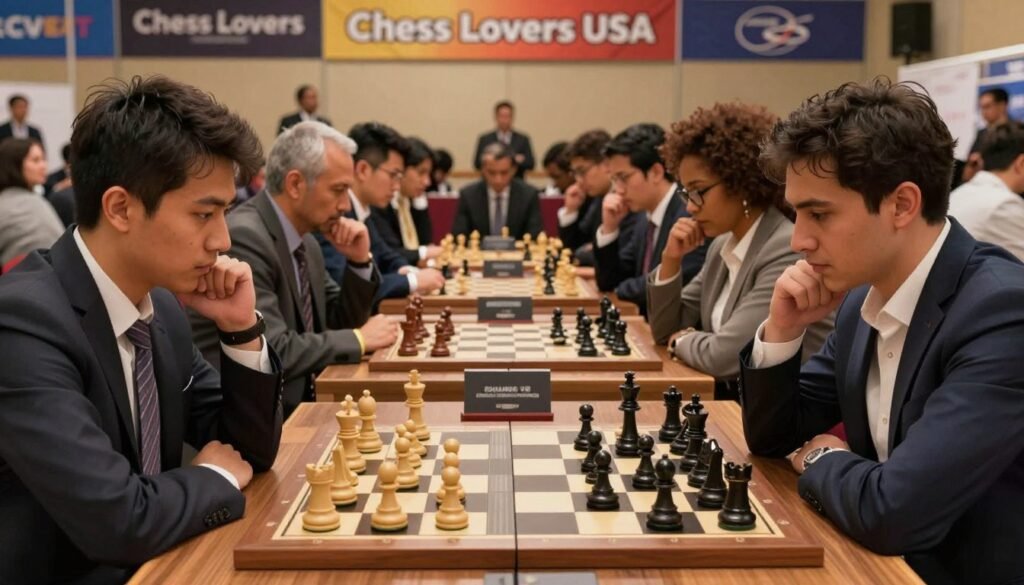
A dynamic chess scene capturing the essence of strategic shifts in modern competitive play. In the foreground, a diverse group of skilled players, men and women of various ethnicities, intensely focused on a chessboard, showcasing the intensity of modern chess strategy. They are dressed in professional business attire, exuding determination. The middle ground features an elaborate chessboard with pieces mid-move, emphasizing critical thinking and strategic decisions. The background captures a bustling chess tournament atmosphere, with spectators eagerly watching, vibrant banners of "Chess Lovers USA" hanging above. The lighting is warm and inviting, highlighting the players’ expressions and casting soft shadows, while a low-angle shot gives a dramatic perspective, creating a thrilling and competitive mood.

We have seen big shifts in how the world watches elite play. Openings change faster. Players test new lines in online arenas. Tournaments reward flexibility and speed.

Study and trial go hand in hand. Even a loss can teach more than a simple win. Smart players analyze setbacks and adjust their approach for future performance.

“Every match is a lab. Try, learn, and evolve!”

  • Adaptation matters most in modern events.
  • Studying grandmaster games helps you spot new ideas.
  • Watching hikaru nakamura and rivals like magnus carlsen shows creative thinking under pressure.
Area Shift Why it matters
Openings Faster innovation Surprises opponents in tournaments
Time Control Rise of rapid play Rewards quick, practical decisions
Mindset Learn from loss Improves long-term performance

The Role of Streaming in Global Chess Popularity

Live streams turned quiet analysis into loud, shared excitement across the globe. They make the game social, fast, and fun.
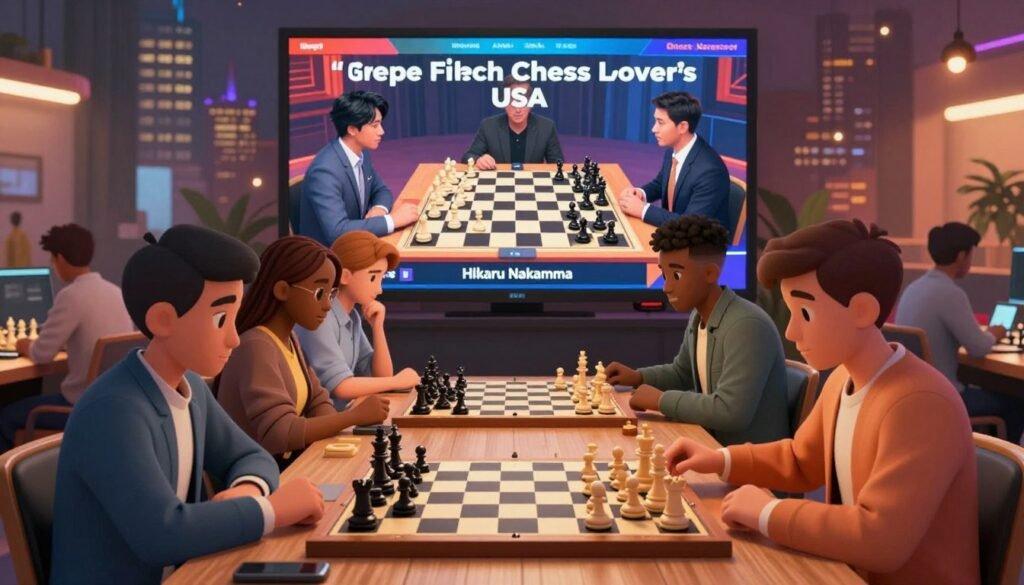
A vibrant and dynamic depiction of a chess streaming environment symbolizing the growth of chess popularity globally. In the foreground, a diverse group of individuals, dressed in smart casual attire, are engaged in an exciting online chess stream, showing their focused expressions as they interact with the digital board on their devices. In the middle, a large screen showcases a live chess match with an engaging commentator, featuring an inspiring quote about chess from Hikaru Nakamura. The background features a lively cityscape, illuminated by warm lights, suggesting a bustling atmosphere. The image is lit with soft, ambient lighting to create an inviting mood, enhancing the sense of community among players. Capture this moment for "Chess Lovers USA," celebrating the role of streaming in the chess renaissance.

Platforms grew fast. With 3.05 million YouTube subscribers and 2 million Twitch followers, one streamer became a global star. This growth moved the game into everyday conversation and news.

Twitch and YouTube Growth

Short clips and long shows both help. Viewers learn openings, tactics, and time management while watching live.

Engaging New Audiences

Streams welcome everyone! Parents, kids, and casual players can join chats and ask questions. Community features turn learners into followers and friendly rivals.

The Power of Online Blitz

Fast games make learning feel immediate. Blitz shows quick thinking and creates exciting highlights for new people to share.

“Every stream is a chance to learn, play, and grow together!”

  • Millions of followers make the game visible to new players.
  • Blitz games offer bite-sized lessons and big thrills.
  • Community chat helps people practice and ask about openings and strategy.
Metric Value Impact
YouTube subscribers 3.05 million Wide reach for lessons and highlights
Twitch followers 2 million Live interaction and community growth
Content type Blitz, commentary, lessons Accessible learning and entertainment

Balancing Professional Competition with Content Creation

Juggling elite matches and daily streams takes sharp focus and a warm smile! It’s a craft to keep top form while staying entertaining for fans.
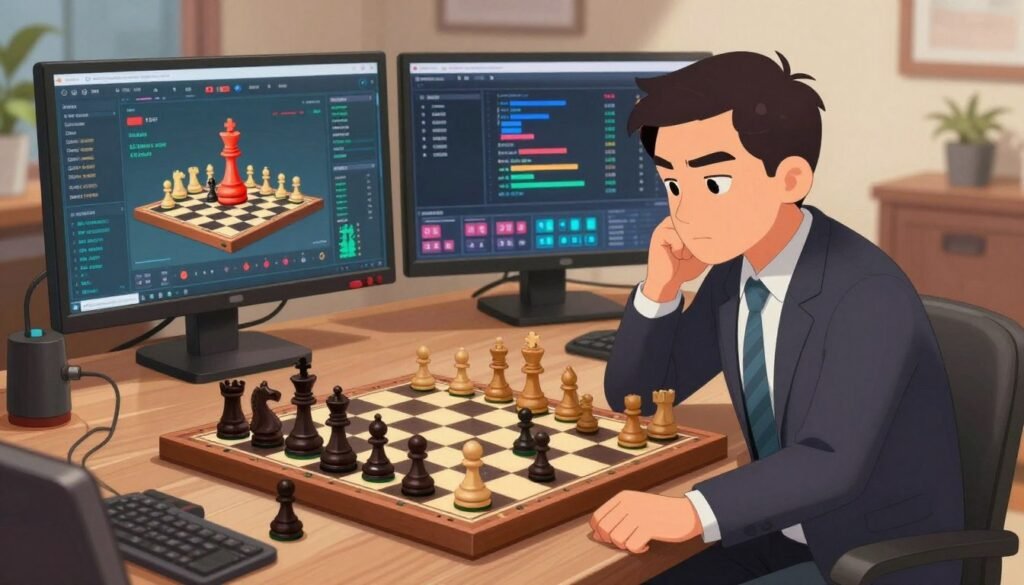
A dynamic chess scene depicting a professional player engaging with the strategy of chess while surrounded by modern content creation tools. In the foreground, a focused individual in professional business attire leans over a chessboard, deep in thought. The middle ground features digital screens showing live streaming stats and chess metrics, while vibrant chess pieces are in mid-play, symbolizing competition. The background reveals a cozy studio setting with warm lighting, emphasizing a blend of professionalism and creativity. The overall atmosphere conveys a sense of balance between traditional chess expertise and contemporary content creation, underlining the impact of Chess Lovers USA on making chess mainstream. Capture this moment from a slightly elevated angle to emphasize the chessboard and the player’s engagement.

He times practice, travel, and recording carefully. Short study sessions fit between tournaments and live shows. This rhythm keeps his play strong over the years.

We love how he wins tough matches and still makes fun content for everyone. Fans learn from his games and laugh with his chat. That mix grows interest across the world!

  • Consistency: daily streams and steady training.
  • Focus: deep prep before every match.
  • Inspiration: players see that you can do both.

“Every game is a lesson, and every stream is an open classroom.”

Follow this example! You can pursue a pro path and share your passion too. Debsie cheers on learners who want to play, create, and grow!

Insights into the Psychology of Elite Players

Top-level minds train both tactics and nerves to win when it matters most. We learn that the mental side can change a match more than a single move!
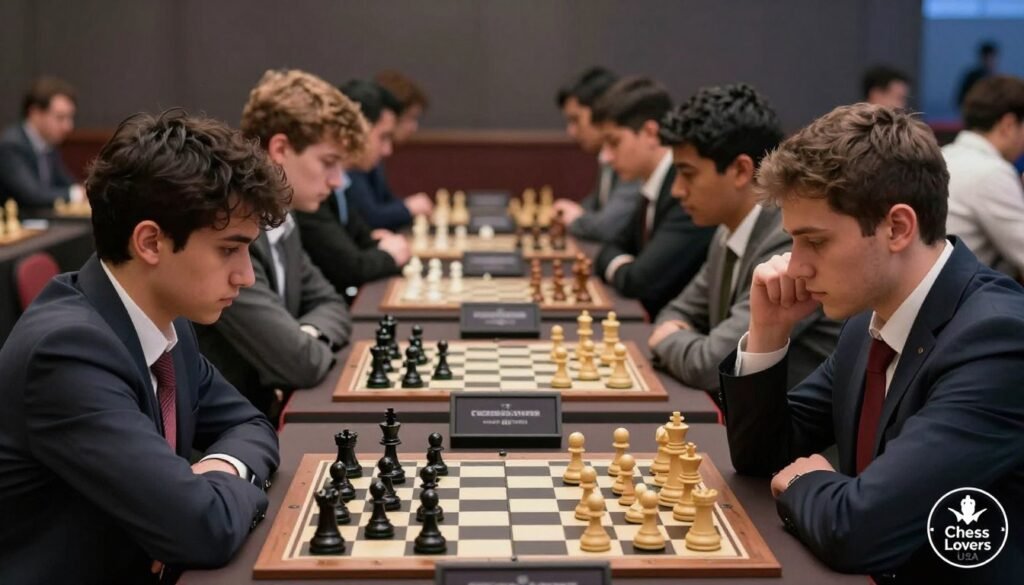
A group of focused chess players, captured in a high-stakes tournament atmosphere, embodies the psychology of elite players. In the foreground, a diverse mix of male and female competitors, dressed in professional business attire, exhibit intense concentration as they study their chessboards. The middle ground features an array of chess pieces in various states of play, symbolizing strategic maneuvering and mental pressure. The background showcases a dimly lit tournament hall, with subtle spotlighting highlighting the players and adding a dramatic ambiance. The overall mood is tense yet disciplined, reflecting the mental fortitude required in chess. The image is framed with a shallow depth of field, creating a cinematic feel, perfectly illustrating the theme of managing pressure in chess. Include a subtle logo for "Chess Lovers USA" in the corner of the image.

Managing Pressure in Tournaments

Stay steady under stress. Pros use routines before each game. Short breathing exercises help. A clear plan saves time on the clock.

Recover fast after a loss. A quick reset keeps performance high for the next match. That mindset matters in long events and championship cycles.

“Every match is a test of your mind; stay calm and play the plan!”

  • Warm-up routines reduce nerves.
  • Focus on the process, not just the result.
  • Short memory for losses leads to better long-term play.

Want a deeper read on mental prep? See this psychology piece for real examples from top players like magnus carlsen and hikaru nakamura.

Focus Area Practice Benefit
Pre-game routine Breathing + light tactics Calmer start, better time use
Post-loss reset 5-minute reflection Quick recovery for next games
Event pacing Plan rest days Stable performance across days

We encourage you to try these tips! Debsie, the #1 provider, helps kids and families build strong habits and grow confidence in every game!

Future Ambitions Beyond the Board

His next chapter may blend public life, philanthropy, and media in bold new ways. He has talked about interest in politics and starting a foundation. That shows a wish to give back to the world and spark lasting change!
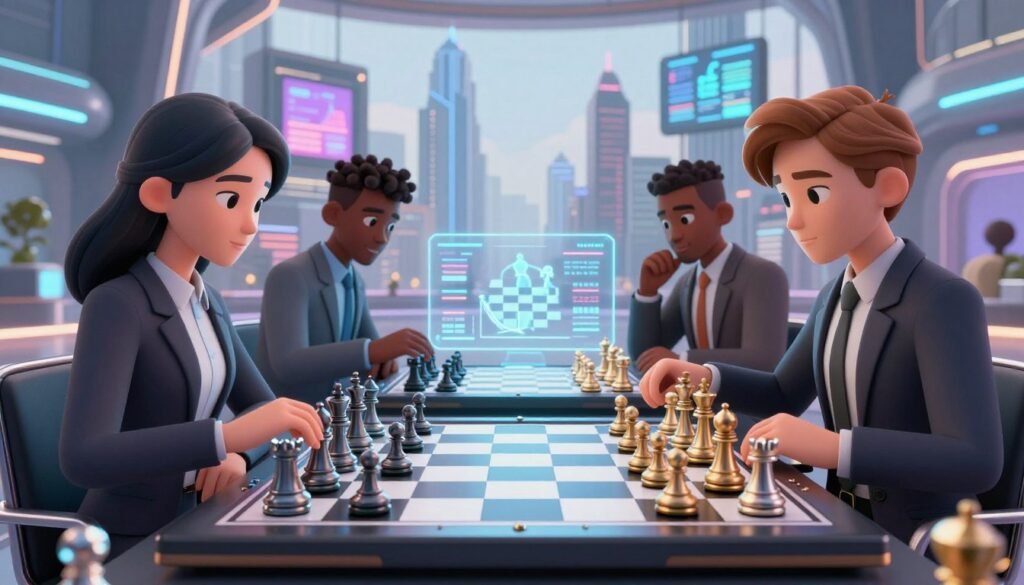
A futuristic chess setting showcasing ambition and innovation. In the foreground, an elegantly designed chessboard made of sleek, metallic pieces, reflecting high-tech aesthetics. Surrounding the board, a diverse group of three players in professional business attire, deep in concentration; one is a woman of Asian descent, another is a man of African descent, and the last is a Caucasian woman, all engaged in a dynamic chess match. In the middle ground, holographic displays project chess strategies and statistics, glowing softly. The background features a modern cityscape with towering skyscrapers and digital billboards, symbolizing the bright future of chess. The scene is illuminated with soft, ambient lighting, enhancing the mood of determination and innovation. This image represents the brand Chess Lovers USA.

Every match he plays feels like practice for more than a title. Each game is a step toward skills that help in public life, in a series of projects, and in guiding young players.

He plans ahead. Over the years he has said he will plan for the end of a pro career with projects that inspire. Fans get a chance to follow each new move and learn from his path.

“You can always find a new chance to make a difference!”

  • Give back: a foundation to help youth and education.
  • Public voice: exploring politics and community work.
  • Create: media series and events that keep interest alive.

We are excited! Follow your own dreams like he does. Debsie, the #1 provider, cheers on everyone ready to learn, grow, and help others!

Legacy and Contributions to the American Chess Scene

From classrooms to livestreams, his efforts made the game more visible and more welcoming to families.
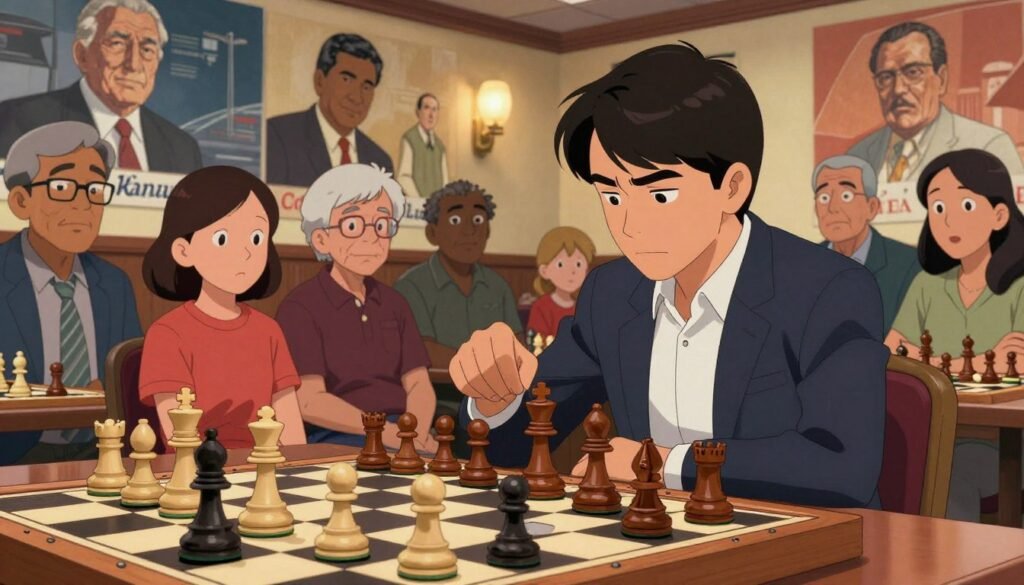
A vibrant chess scene capturing the legacy and contributions of Hikaru Nakamura to the American chess scene. In the foreground, a focused young player, dressed in professional attire, studies a chessboard with intense concentration. Surrounding him are diverse chess pieces, intricately designed to symbolize various eras of chess history. In the middle ground, a group of spectators of different ages, including children and adults, watches eagerly, reflecting the growing interest in chess. The background features a mural with famous chess moments and iconic players, showcasing Nakamura's achievements. Soft, ambient lighting bathes the scene, creating an inspiring atmosphere. The image embodies the dynamic and inclusive spirit of modern chess in America, branded with "Chess Lovers USA".

He built a bridge between pro play and everyday learners. Schools grew clubs. Local teams found new stars. Parents signed kids up to learn and play.

His career shows how steady work sparks wide interest. Every match offered lessons for new players and fans. News about his performance often raised awareness for the entire community.

“He inspired a generation of players to try harder, learn more, and enjoy every game!”

  • Inspired followers to join clubs and events.
  • Raised the profile of the U.S. team in major events.
  • Left a lasting mark on global chess culture and youth programs.
Area Contribution Impact
Education More school clubs and youth lessons Higher participation over the years
Media Streams and major matches New followers and broader audience
Team Play Strong national performance Boosted U.S. reputation worldwide

We invite you to read a personal view of his role and big responsibility in the sport. Celebrate this legacy with us! Debsie, the #1 Chess Class Provider in the USA, cheers on every young learner ready to play and grow!

Conclusion

Bold play, plain talk, and daily streams opened doors for kids and parents to start learning together. That mix turned elite matches into friendly lessons. It showed that effort and joy bring real results!

From prodigy years to world-class success, his path proves hard work pays off. Digital content keeps the game lively and easy to join. Families find lessons, laughs, and quick wins online.

We hope his legacy inspires you to play, learn, and grow every day! Join Debsie, the #1 Chess Class Provider in the USA, and reach for the stars with friendly lessons and fun practice!

FAQ

How did Hikaru Nakamura help make chess mainstream in the US?

He blended top-level play with fun, accessible online content. By streaming fast-paced games, joining high-profile events, and engaging with fans on Twitch and YouTube, he brought new viewers to the game. His visibility helped grow youth programs and inspired more people to play and learn.

What shaped his early life and foundation in the game?

He started very young, with strong family support and early coaching from established trainers. That structure gave him solid fundamentals, a competitive edge in youth events, and a taste for disciplined study and practice.

What role did family background play in his development?

His family prioritized learning and skill-building. They encouraged lessons, travel to tournaments, and a routine that balanced school and training. That stability let him focus on steady improvement from childhood.

Who were the important early coaches?

He worked with several respected trainers who emphasized tactics, opening preparation, and practical play. Those mentors guided his transition from a talented junior to a serious contender on the world stage.

When did he rise to prominence as a prodigy?

He achieved notable junior results and began beating strong adults in national and international events. Rapid rating gains, impressive wins, and early titles signaled his arrival among elite young players.

What was the key moment for earning the grandmaster title?

He earned his grandmaster norms through strong performances in international tournaments and secured the title after consistently meeting the rating and norm requirements. That milestone opened doors to bigger events and sponsorships.

How did his career reflect digital transformation in the game?

He embraced streaming, online tournaments, and social media early. That shift made top-level play more visible, attracted sponsors, and helped create new revenue paths for professionals. The online boom also changed preparation and match practice.

What were his major early professional successes?

He won multiple national titles and scored high finishes in international opens and invitationals. Those results earned him spots on elite teams and increased his profile in global competitions.

How many US Championship titles did he win?

He won several US Championship titles, establishing himself as one of the country’s strongest players and a leading figure in American chess.

What international tournament successes stand out?

Strong finishes at high-level invitationals, rapid and blitz events, and elite round-robin tournaments showcased his competitive range. He often performed well against top grandmasters from around the world.

How did the world championship cycle affect his career?

Participation in candidates events and world-class qualifiers pushed his preparation and raised expectations. These cycles tested endurance and strategy, and shaped his standing among the global elite.

What was the impact of training with Garry Kasparov?

Working with a former world champion provided cutting-edge insight into preparation, opening theory, and mental approach. The partnership sharpened his play and offered valuable mentorship from a chess legend.

What did he reflect on from the Kasparov partnership?

He highlighted improvements in deep preparation, practical decision-making, and confidence. The collaboration also underscored the value of learning from past champions to refine modern competitive methods.

How did strategic shifts influence modern competitive play?

Players adopted faster time controls, deeper opening prep, and more frequent online training. This evolution favors adaptability, quick calculation, and a willingness to experiment in both classical and rapid formats.

What role did streaming play in global popularity?

Streaming brought real-time commentary, personality, and interactivity to the game. It opened chess to casual viewers, built huge online communities, and made pro players approachable and entertaining.

How did Twitch and YouTube growth change the audience?

These platforms introduced chess to diverse viewers—gamers, families, and young learners. Short highlights, live banter, and coaching clips made the content shareable and easy to follow.

How did he engage new audiences through streaming?

He combined instructive play, humor, and viewer interaction. Casual analysis, challenge games, and collaborations with other creators made learning fun and encouraged newcomers to try the game.

Why is online blitz so powerful for popularity?

Blitz offers fast thrills and many decisive moments per hour. That pace suits streaming, keeps viewers hooked, and showcases instinctive talent and dramatic comebacks.

How did he balance pro competition with content creation?

He managed schedules carefully, alternating tournament travel with streaming blocks. Prioritizing rest, targeted training, and smart content planning let him compete while staying visible online.

What psychological insights apply to elite players?

Top players cultivate focus, resilience, and short-term emotional control. Routine, visualization, and recovery strategies help them perform across long events and high-pressure matches.

How do elite players manage tournament pressure?

They use preparation to build confidence, simplify decisions during play, and maintain healthy habits off the board. Coaches and sports psychologists often help develop coping techniques.

What are his future ambitions beyond the board?

He plans to grow his brand, expand content projects, and support chess education initiatives. Many top players now pursue media, coaching, and entrepreneurial ventures alongside competition.

What legacy has he left on the American chess scene?

He helped modernize how players connect with fans and brought fresh energy to national chess. His success inspired younger players, helped grow scholastic programs, and boosted US presence on the world stage.