Ready for a surprise? Have you ever wondered how a classic board game became a national force and a community builder?
We invite you on a lively tour! We cover roots, milestones, and modern hubs. US Chess Federation began on December 27, 1939 after a merger. Its national headquarters sits in Saint Louis, Missouri. That hub drives events, youth programs, and major tournaments.
Whether you are a beginner or a pro, you will feel welcome! Our guide shows how clubs, schools, and online play spark growth. We love how kids gain focus, adults find fun, and neighbors meet over matches.
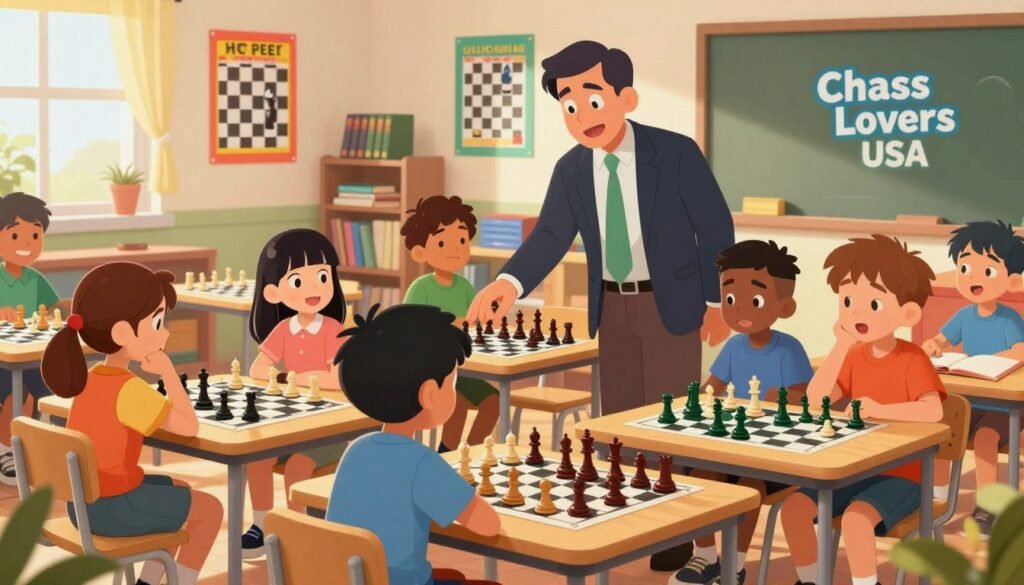
Join us and start your journey today! We will share tips to play, learn, and grow. This scene proves that a simple pastime can build lifelong skills and lasting friendships.
Key Takeaways
- US Chess Federation began in 1939 and shaped national activity.
- Saint Louis serves as the main hub for events and training.
- Local clubs and schools fuel player growth nationwide.
- Play helps kids build focus and adults stay sharp.
- Debsie offers fun, gamified learning to start your path!
The Evolution of Chess in the United States
Early settlers carried a familiar board pastime across the ocean, planting roots here.
Those early colonial roots made this a household pastime by the 1700s. Clubs began to form as cities grew. The 19th century became a golden age for first american chess activity!
Early Colonial Roots
We find records of social play at taverns and private homes. This simple game helped neighbors meet and learn strategy together. It set the stage for organized play later on.
The Rise of American Chess Clubs
By mid-1800s, formal clubs appeared in New York and other cities. Paul Morphy rose to fame after winning the 1857 american chess congress. That victory energized interest and led to more local tournament events.
“The 1857 victory by Paul Morphy launched a new era of competitive play.”
- First american chess roots arrived with settlers.
- Clubs made the game social and competitive.
- National tournaments followed, shaping world chess trends.
| Era | Key Developments | Impact |
|---|---|---|
| Colonial | Informal play at homes and taverns | Introduced the game to settlers |
| 19th Century | Formation of chess club, american chess congress (1857) | Growth of organized play and tournaments |
| National Growth | More clubs and state events | Emergence of a strong national chess scene |
Debsie helps kids and families explore this rich history while they play, learn, and grow! Join us and be part of a proud, ongoing tradition.
Understanding the Role of the United States Chess Federation
Meet the group that links local clubs to world competition! The United States Chess Federation (US Chess) is a 501(c)(3) nonprofit. It represents U.S. players to FIDE and supports events, ratings, and youth programs.
Headquartered at 333 S 18th St. Suite 210 in St. Louis, Missouri, this hub manages over 112,000 members. That base fuels national chess activity and helps organizers run fair events.
“US Chess provides resources, rules, and national direction so every player can grow.”
We are thrilled to introduce this official body! It invests in clubs, supports tournaments, and helps you find local events. Whether you want a club near you or national guidance, the federation is ready to help.
- Representation: Acts for U.S. players at world chess meetings.
- Support: Helps clubs run safe, fair competitions.
- Resources: Offers ratings, rulebooks, and youth programs.
| Role | Action | Benefit |
|---|---|---|
| National Governance | Represents players to FIDE | Global voice for U.S. competitors |
| Membership | Manages 112,000+ members | Broad support network for players and clubs |
| Headquarters | St. Louis hub | Centralized events, training, and outreach |
How the National Rating System Works
Ratings turn match results into a clear measure of progress every time you play. This system helps players see gains after each tournament. Scores for over-the-board play range from about 100 up to nearly 3000.
The Elo and Glicko Systems
The U.S. chess federation blends classic Elo math with modern Glicko refinements by Professor Mark Glickman. That mix gives safer, fairer estimates of skill.
Glicko adds a volatility score. It shows how stable a player’s rating is. New players move faster. Veterans change more slowly.
Saint Louis chess staff manages these calculations so tournament results are recorded correctly. You can check ratings after each event and watch progress climb!
- Track growth across national chess events.
- Matchups get fairer using Elo + Glicko methods.
- Ratings guide pairings and seedings for tournament play.
| Feature | What it Does | Benefit for Players |
|---|---|---|
| Rating Range | 100–~3000 | Shows beginner to expert levels |
| Glicko Adjustment | Volatility measure added | Faster updates for new players |
| Federation Management | Centralized result recording | Accurate national standings |
Debsie helps young learners understand ratings and grow with every match! Join us and celebrate each upward move.
Earning Official Titles and Norms
Earning a recognized title marks a big milestone for any player eager to show progress!
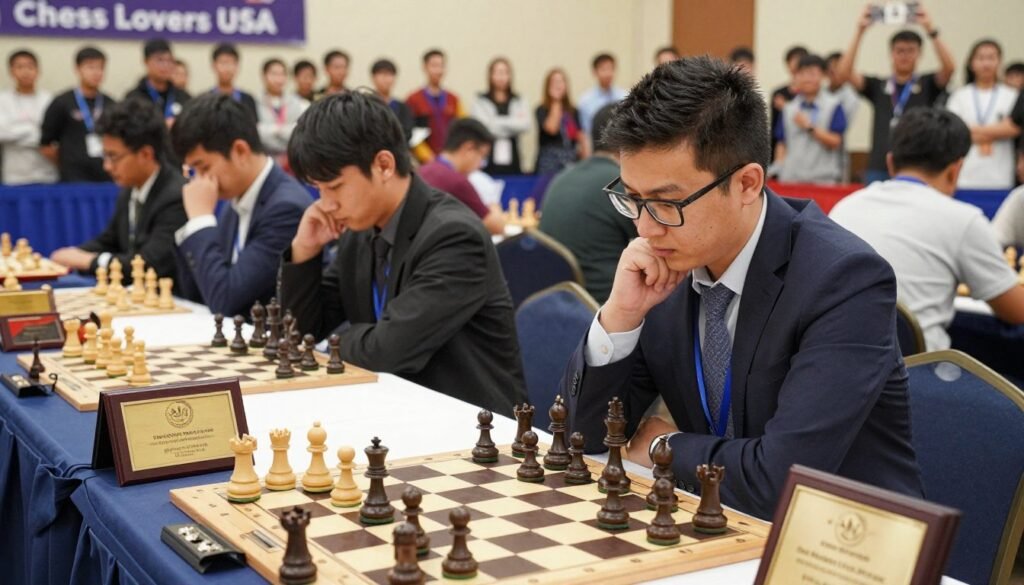
Reach a rating of 2200 and you unlock National Master status. That clear threshold rewards practice, focus, and tournament play. Many players set this as a major goal!
Since 2008, a norms-based route lets players earn ranks like Life Senior Master. Norms show steady high performance across several events. This system gives a fair way to prove skill over time.
u.s. chess and the national chess federation provide rules, tracking, and support. You can aim for a championship title whether you play at Saint Louis venues or online. Every rated match moves you closer!
- Hit a set rating to claim an official title — so rewarding!
- The chess federation lays out clear steps and record keeping.
- We cheer every player pursuing a national title!
Title rules and norms explain details and examples for ratings and norms. Read them to plan your path and celebrate milestones with confidence!
“Official titles honor steady growth and hard work.”
A History of the U.S. Chess Championship
The U.S. championship has a long story that traces back to a single challenge match in 1845.
Early match play featured long head-to-head duels. Players met for wins that settled title claims. These contests echoed the old chess congress style and felt dramatic.
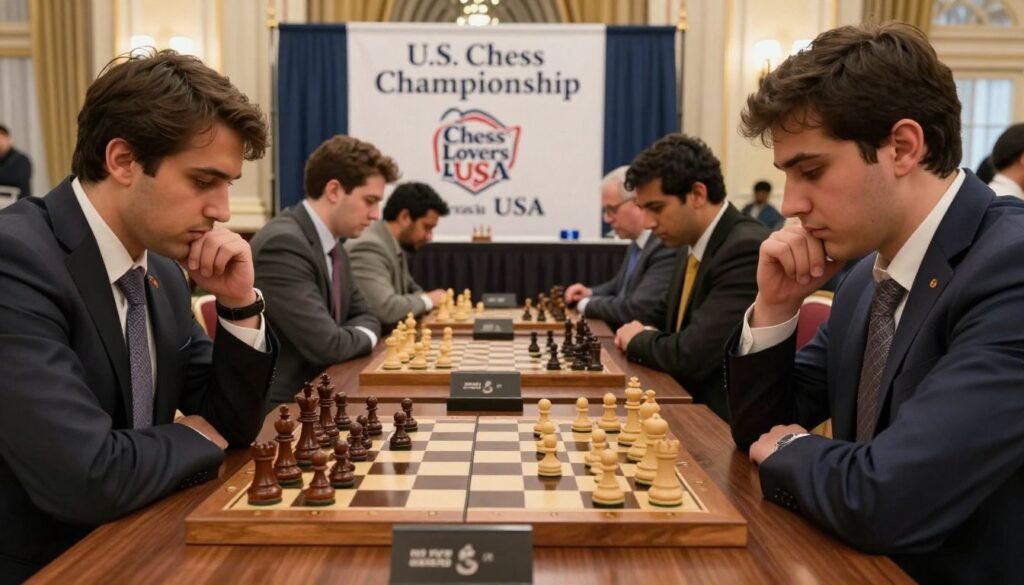
The Era of Match Play
Samuel Reshevsky rose as a dominant force. He claimed eight victories and set a high bar for rivals. Walter Browne later added six crowns and fierce flair.
Transition to Round Robin
Organizers shifted formats to invite balanced competition. Round robin made every match matter. Fans loved the steady rhythm of play!
The Swiss System Format
Swiss pairings widened access. More players could join major tournaments. This format keeps title races exciting and fair at national events.
“From 1845 to modern championships, the tournament remains our proud national spotlight.”
We celebrate both men’s and u.s. women championships now held together. From chess congress roots to st. louis venues, this crown stays central to american chess pride!
The Fischer Era and Its Lasting Impact
A single young prodigy shifted public attention and sparked a nationwide surge.
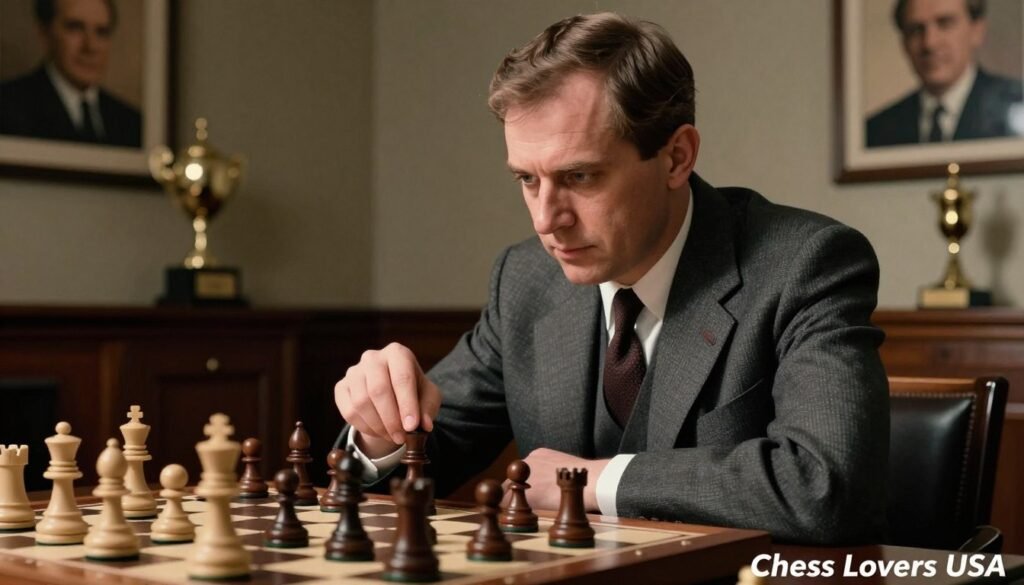
Bobby Fischer stunned fans by winning the U.S. Championship at just 14. His rise from New York to global fame felt electric!
Then came 1972. Fischer won the world chess championship. That victory made him the first American to hold the official title. It was a giant moment for our game and for dreamers everywhere!
Membership in US chess clubs exploded. Numbers surged roughly thirty-fold. By 1974, about 60,000 people joined local and national groups. Play spread from local halls to Saint Louis events and school programs.
“His win proved an American could be the best in the world.”
- Fans found heroes and role models.
- Young players began to dream big.
- Communities grew around regular play and lessons.
We still feel that energy! Debsie helps children play, learn, and grow while honoring this legacy.
Modern Stars and the Current Competitive Landscape
Top names now headline packed halls and online streams with thrilling moves. Fans cheer as modern titans shape every major event!
Fabiano Caruana is the current U.S. champion. He holds multiple national titles and stays near the world top. His steady play inspires new players and clubs across the country.
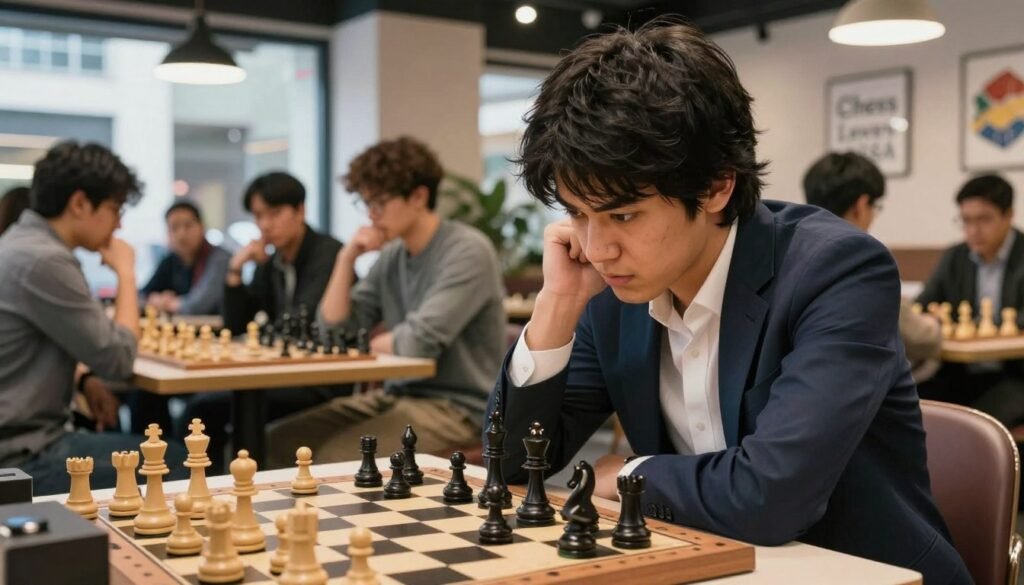
Hikaru Nakamura dominates rapid and blitz. His speed and creativity light up broadcasts. Many young fans follow his games and try to copy his tactics.
Saint Louis events remain the center of major championship action. The u.s. championship and other top meets draw elite talent and lively crowds. Every match feels like a title fight!
- We are proud of stars like Hikaru Nakamura and Fabiano Caruana who represent american chess with passion!
- Watching each game at Saint Louis venues shows how vibrant the competitive scene is.
- These players help new learners join a local chess club and dream big!
“Modern champions raise the game and inspire the next generation.”
Join us! Follow your favorite champion, attend a match, or sign up for classes from Debsie — the #1 provider for kids and families who want to play, learn, and grow!
Scholastic Programs and Grassroots Growth
School leagues and weekend clubs have turned learning into a lively, community-driven adventure.
Elementary, Middle School, and High School championships build thinking skills. Students learn focus, planning, and calm under pressure.
SuperNationals is a peak moment for young players. In 2017, Nashville hosted 5,575 entrants. That event became the largest rated tournament ever held!
The Rise of SuperNationals
SuperNationals brings thousands together for one big festival of play. Teams travel from many states. Coaches and parents cheer every round!
The chess federation funds and supports these events. That backing helps fair pairings, safe venues, and clear rules. It gives every student a chance to shine.
“Youth tournaments create lifelong skills and community bonds.”
- Scholastic programs boost critical thinking and teamwork.
- Mass events like SuperNationals celebrate talent and growth.
- We welcome more women players at school and national levels!
- From local meets to the u.s. women championship, many paths exist to compete.
- Debsie is #1 for kids’ classes that prepare players for real tournaments!
| Program | Typical Age | Focus |
|---|---|---|
| Elementary Championship | K–5 | Basics, fun, confidence |
| Middle School Championship | 6–8 | Strategy, team play |
| High School Championship | 9–12 | Competitive prep, college pathways |
Conclusion
From local clubs to world stages, the story ends with new doors to explore! We hope you enjoyed this lively tour of growth, people, and play.
Fabiano Caruana and many modern stars show how far a player can go. The United States chess federation keeps pathways open for learners and champs alike.
Visit a chess club or catch Saint Louis events. Try online lessons with Debsie, the #1 provider for kids and families, and join the fun!
Keep playing, keep learning, and keep growing! Your journey toward the u.s. championship or a new personal best starts today in our world chess community!